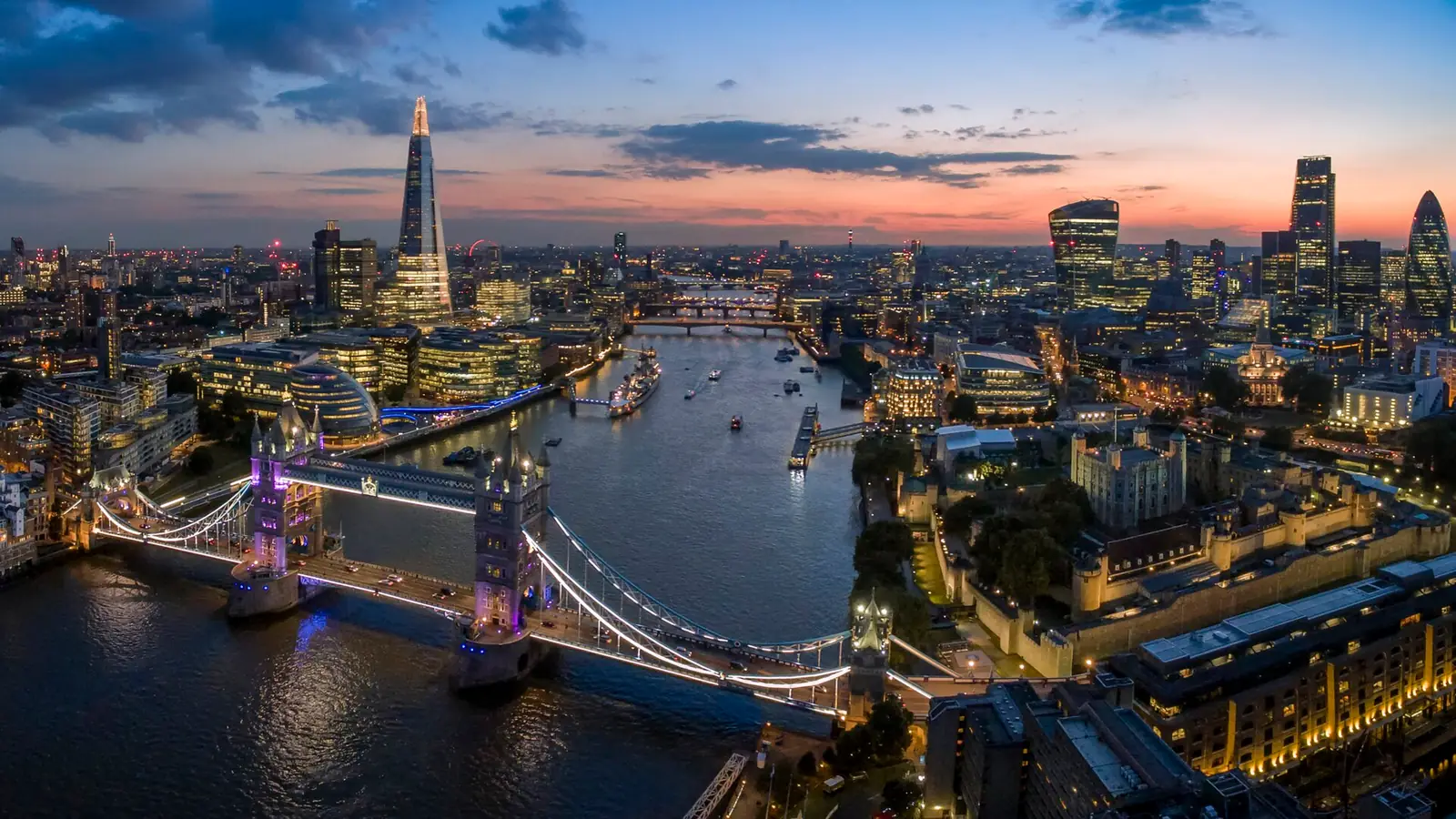
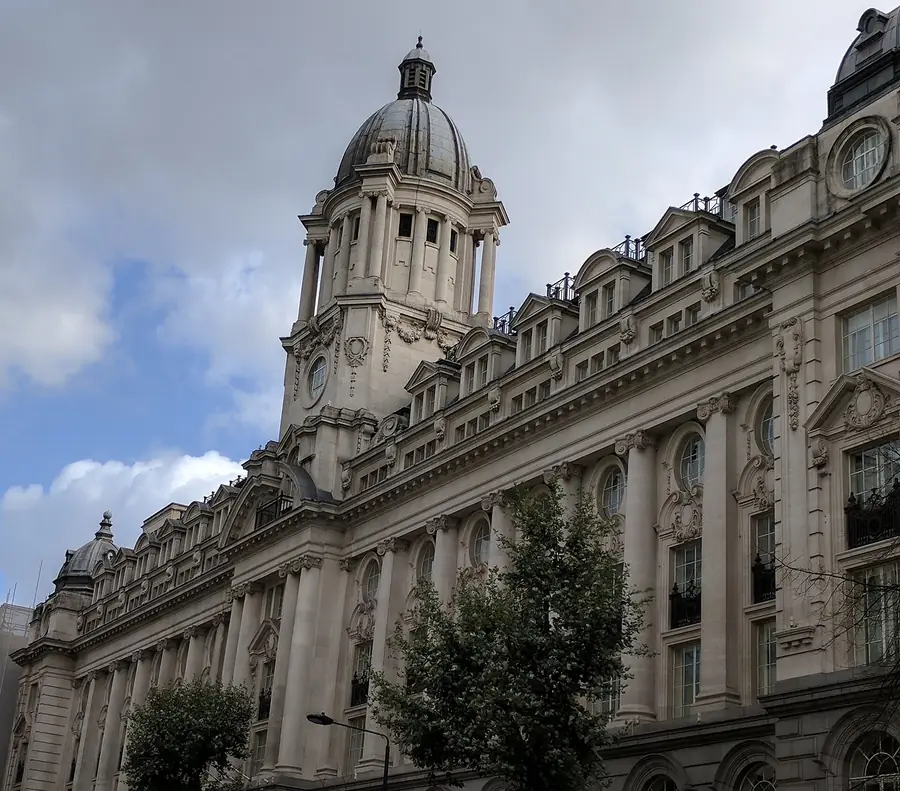
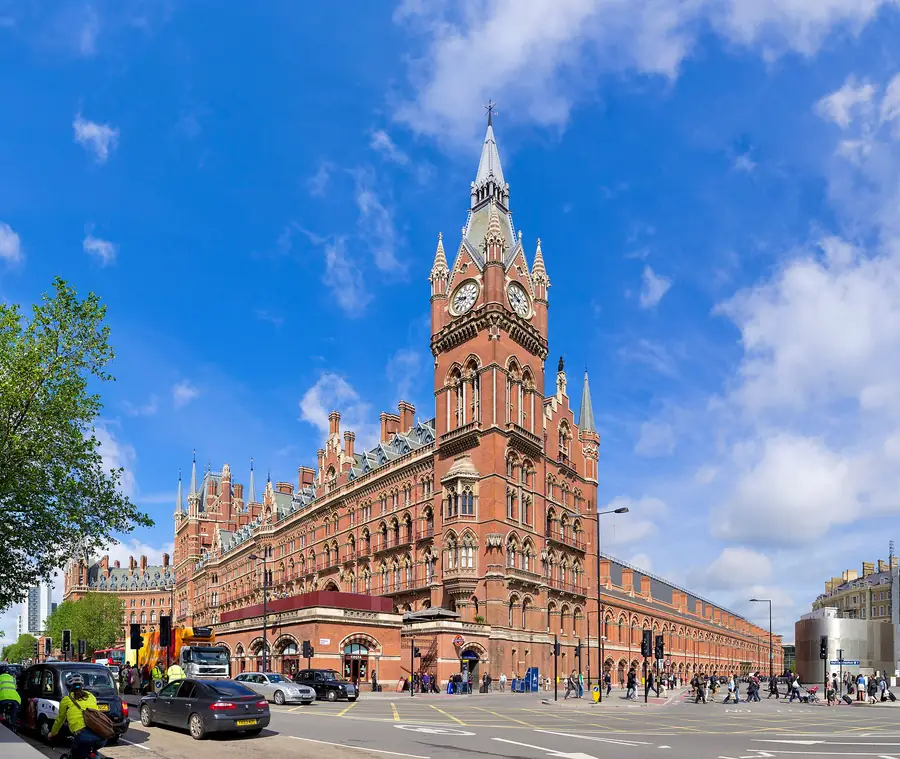
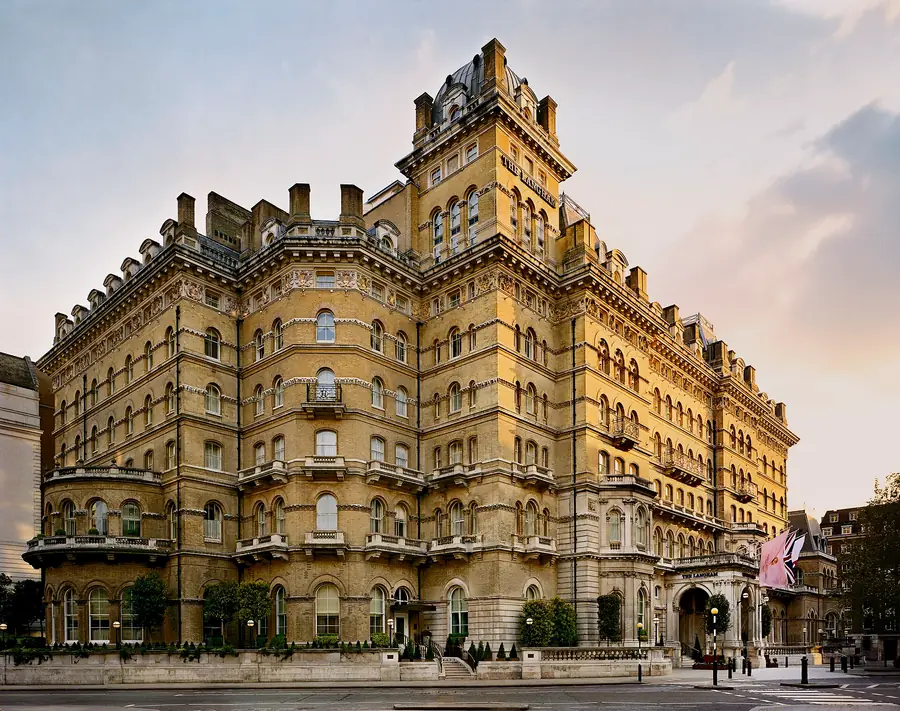
London has the deepest bench of historic hotels of any city we cover. Durrants opened in 1789 and Claridge’s traces its story to 1812; the Savoy arrived on the Strand in 1889, the Ritz in 1906 and the Dorchester in 1931. Victorian railway hotels such as St. Pancras and The Landmark still stand beside their stations.
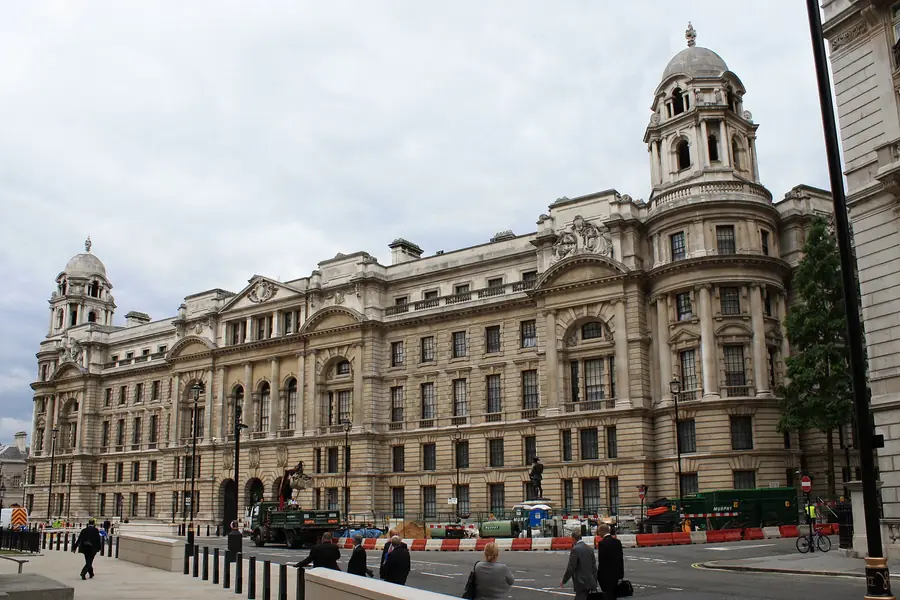
The last decade has added a new generation: Rosewood in an Edwardian courtyard, The Beaumont in a 1920s car park, Raffles in the Old War Office and The Peninsula in 2023. Our list mixes both, and every hotel on it has its own guide with cited facts, the area it sits in and what to know before you book.
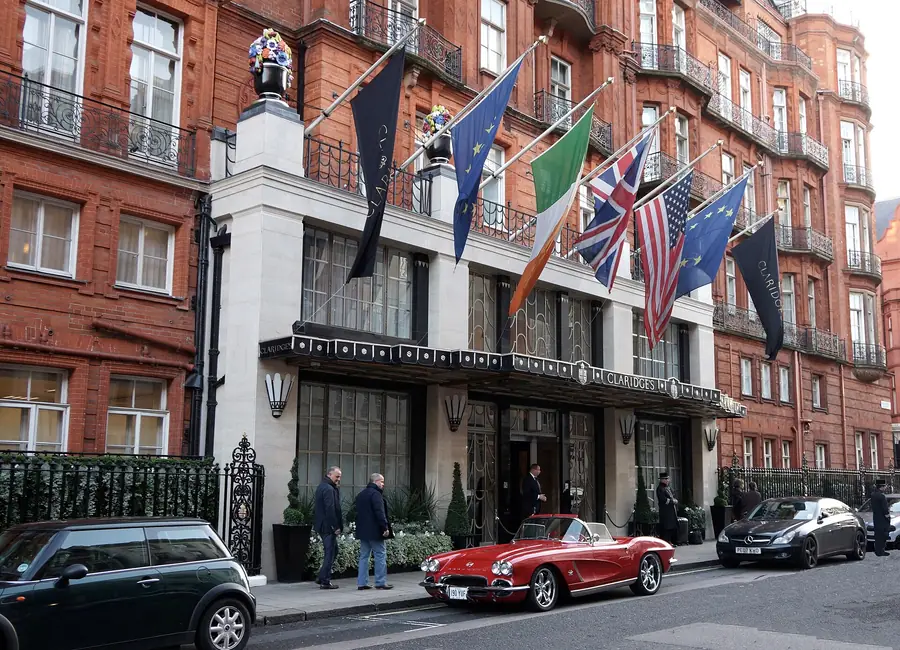
Mayfair’s great Art Deco hotel, with a history that runs from Victorian royalty to a modern rooftop extension.
Best for: A defining London occasion: Art Deco public rooms, a Mayfair address between Bond Street and Grosvenor Square, and the sense of staying somewhere with a long social memory.
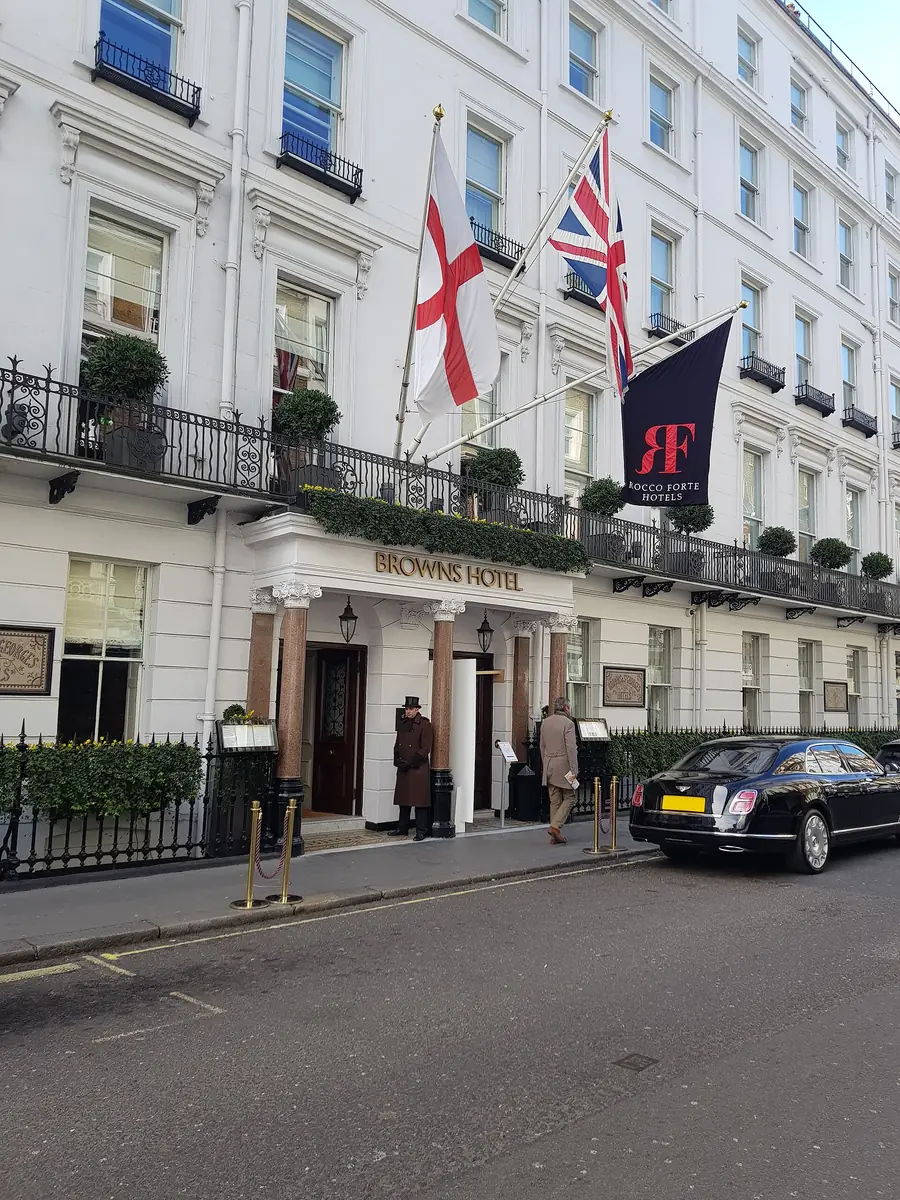
Before you book: This is a formal, high-profile hotel. If you prefer to be anonymous and informal, a smaller Mayfair townhouse such as Brown’s may suit you better.
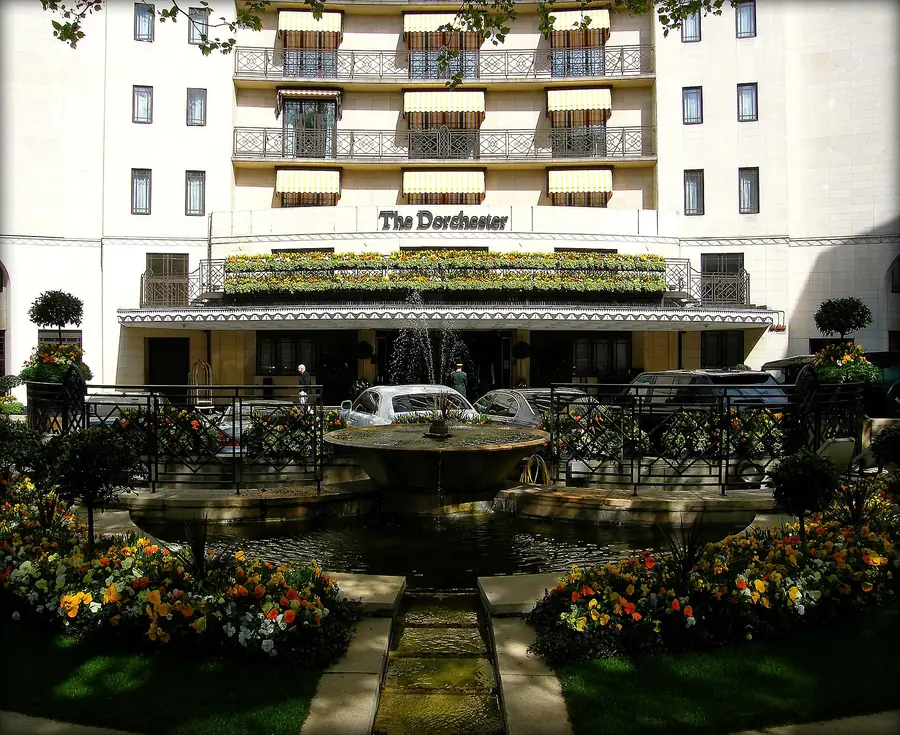
A 1931 Park Lane hotel facing Hyde Park, built strong enough to shelter wartime London.
Best for: Park views, afternoon tea in a grand 1930s room, and a Mayfair base on the Hyde Park side for walking and running in the park.
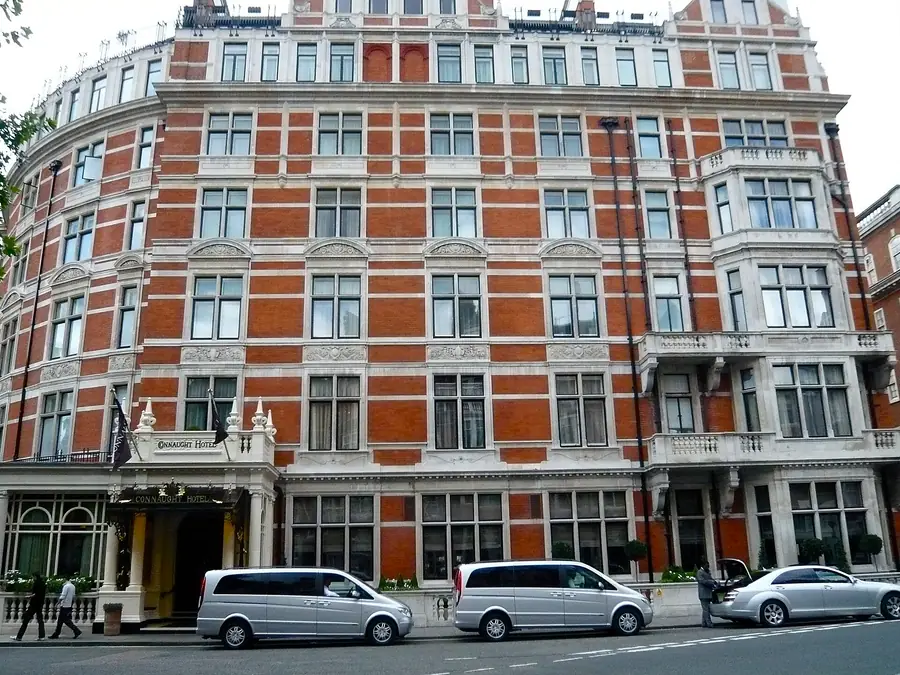
Before you book: Park Lane is a wide, busy road; for the charm of Mayfair’s smaller streets, look at the Connaught or Brown’s. Ask for a park-facing room if the view matters.
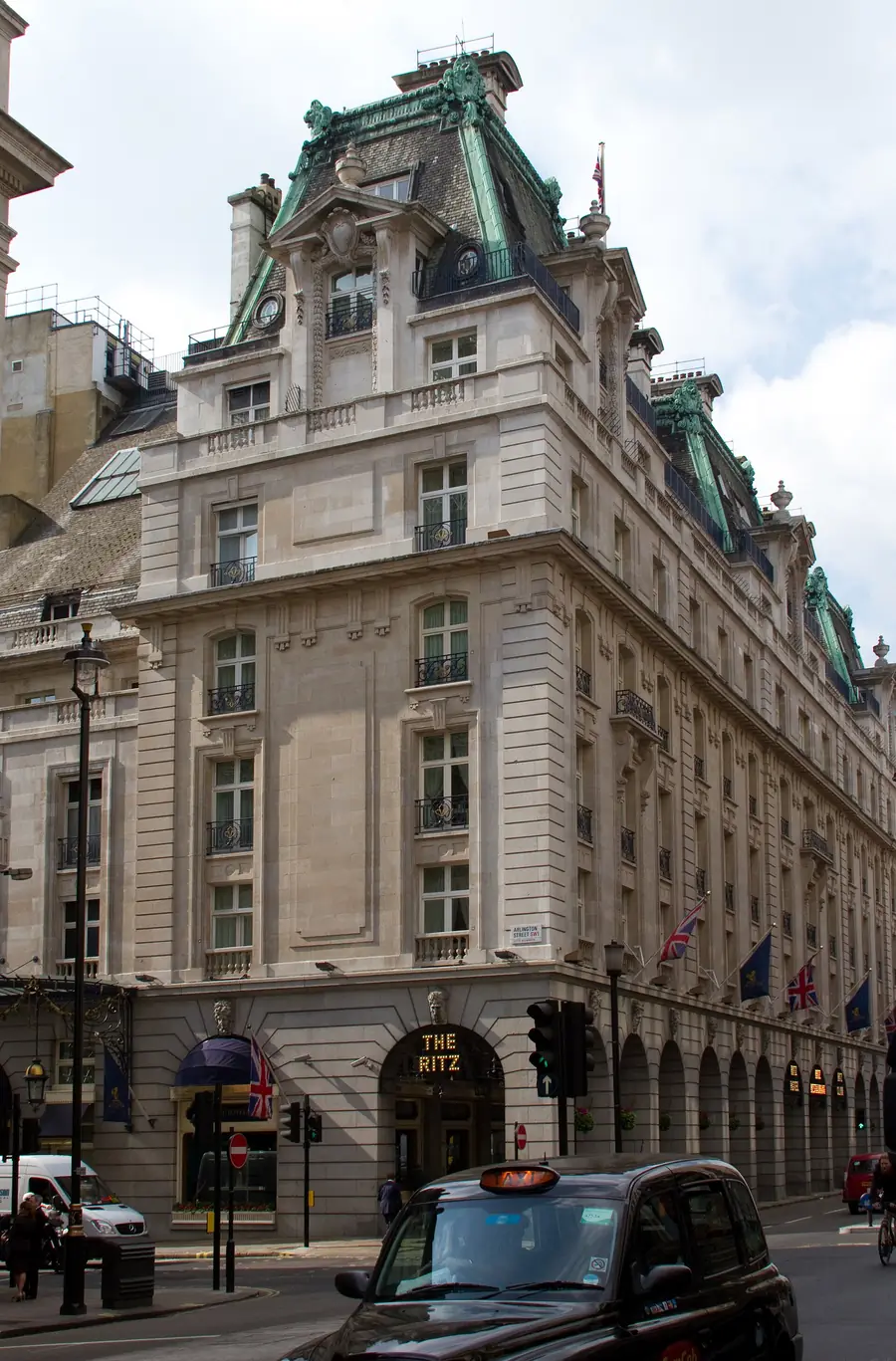
César Ritz’s 1906 Piccadilly palace, where the Palm Court turned afternoon tea into ceremony.
Best for: A once-in-a-lifetime London stay or celebration, with Green Park outside and the West End’s grandest rooms inside.
Before you book: The Ritz is famous and formal, with a dress code in its public rooms. Afternoon tea is booked well in advance; check the current rules before you go.
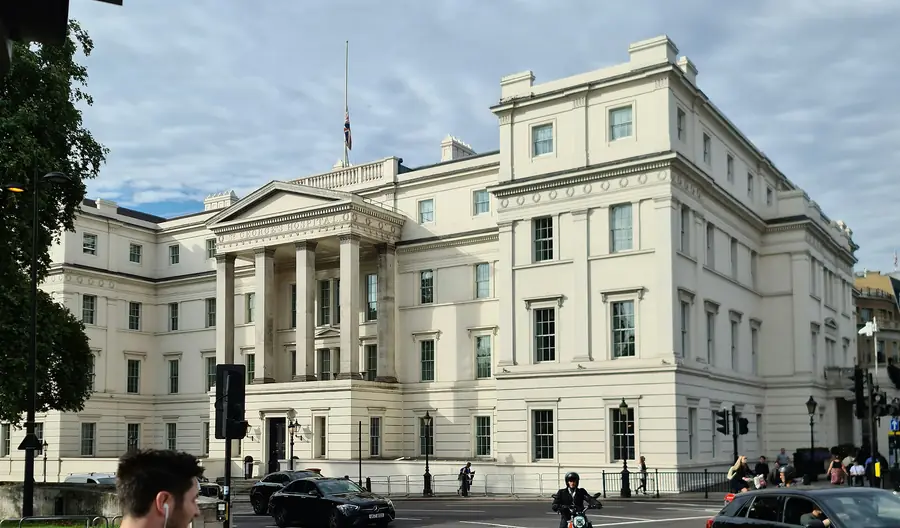
A Hyde Park Corner hospital building of the 1820s, reborn as an opulent Regency-style hotel.
Best for: Travellers who want lavish, butler-style service and a Hyde Park Corner base between Knightsbridge, Belgravia and Mayfair.
Before you book: Hyde Park Corner is a large traffic junction; the hotel’s calm is inside. Its decoration is deliberately ornate, so those who prefer contemporary design may look elsewhere.
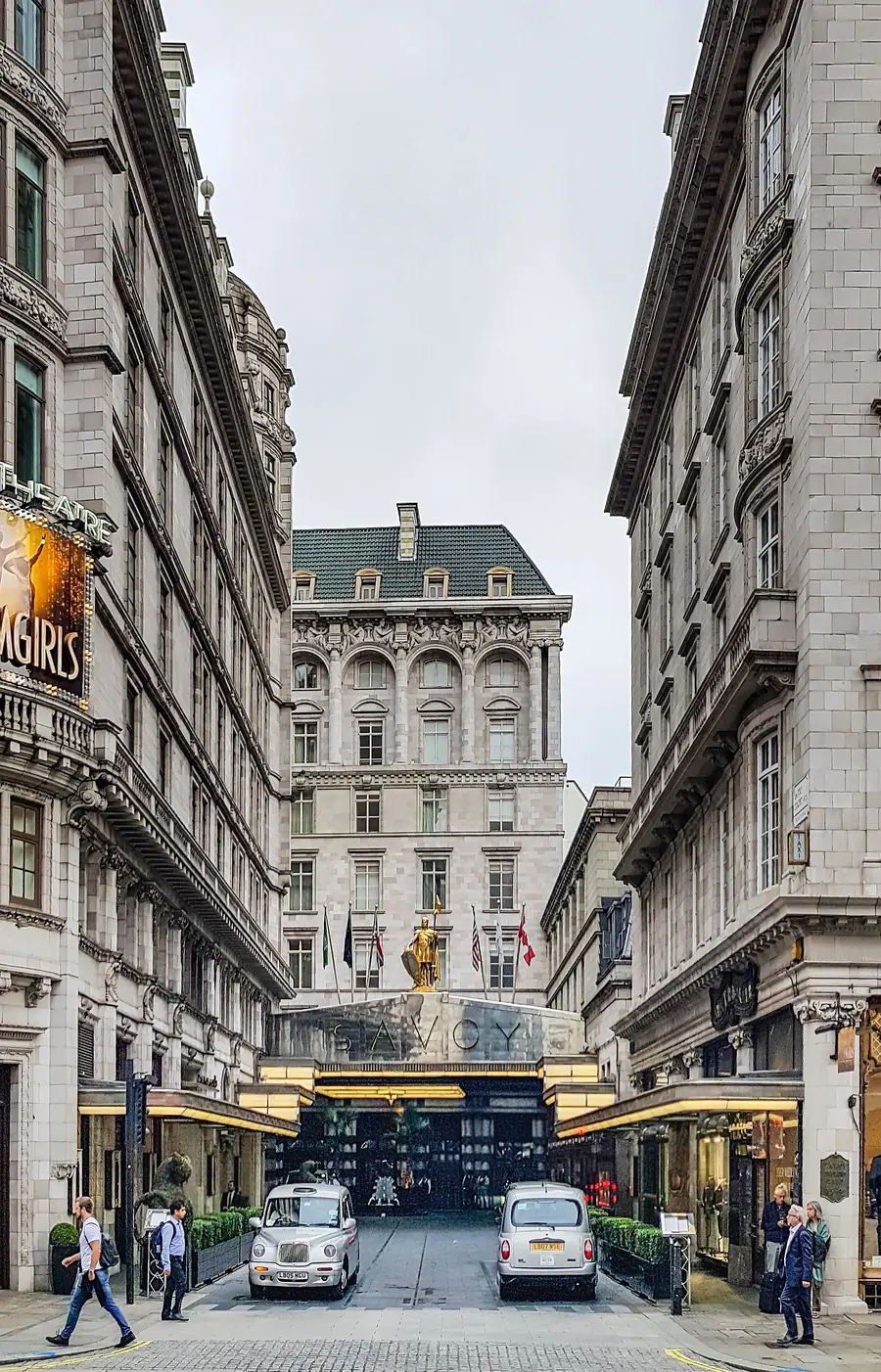
The 1889 Strand hotel that brought electric light, Ritz and Escoffier to London.
Best for: Theatre-goers and first-time visitors who want a famous, glamorous hotel with river views and the West End on foot.
Before you book: The Strand is busy and the hotel is large and lively; for a quieter grand hotel, look to Mayfair or Belgravia. River views are specific rooms, so check before booking.
London’s oldest luxury hotel: thirteen connected Georgian townhouses loved by writers.
Best for: Literary travellers and anyone who prefers a smaller, residential-feeling hotel in the heart of Mayfair, with the Royal Academy and Burlington Arcade close by.
Before you book: Rooms in the older townhouses vary in shape and outlook; ask about the specific room category if light or space matter.
The last London grand hotel still run by the family that built it, with a garden behind Buckingham Palace.
Best for: Travellers who want the warmth of a family-run hotel with classic English style, a garden and royal London on foot.
Before you book: The immediate area around Victoria station is busy; the hotel’s appeal is its calm and its service rather than nightlife on the doorstep.
A Firmdale hotel on Monmouth Street by Seven Dials, with Kit Kemp’s interiors, a drawing room and its own screening room.
Best for: Travellers who want to be in the middle of the West End’s theatres and shops, and to come back to a house-like hotel with a drawing room.
Before you book: The bedrooms are decorated with floral motifs and pattern. If you prefer natural tones and modern art, One Aldwych is the alternative nearby.
A St James’s hotel from 1908, tucked into a close off St James’s Place, whose bar is tied to Ian Fleming and the Bond martini.
Best for: Travellers who want a traditional hotel tucked into a St James’s close, with a bar that has a place in Bond history.
Before you book: Its style is traditional, not contemporary. If you want something more design-led in this neighbourhood, The Beaumont is the alternative.
Claridge’s tops our ranking: Mayfair’s great Art Deco hotel, with a history that runs from Victorian royalty to a modern rooftop extension.
Which is the oldest hotel on this list?
Claridge’s, which opened in 1812. The newest is Rosewood London (2013).
Which hotels in London are on international award lists?
Claridge’s (No. 13, The World’s 50 Best Hotels 2026); The Connaught (No. 49, The World’s 50 Best Hotels 2026); Raffles London at The OWO (No. 28, The World’s 50 Best Hotels 2026).
Which part of London has the most hotels on this list?
Mayfair & St James’s, with 6 of the 15. See our guide to London’s neighbourhoods to choose an area.
How did you choose and order these hotels?
Every hotel here has a full Book&Stay guide built from cited sources. We order them by the depth of verified research, iconic status and international awards. Hotels cannot pay to be listed, and booking links do not affect the order.
Some travel links on Book&Stay are affiliate links from Travelpayouts, which use cookies to credit a booking to us. Our own analytics stay cookie-free. Privacy details