Home / London
United Kingdom / The city of great hotels
Where to stayLondon. Grand hotels with long memories, and neighbourhoods that each feel like a different city.
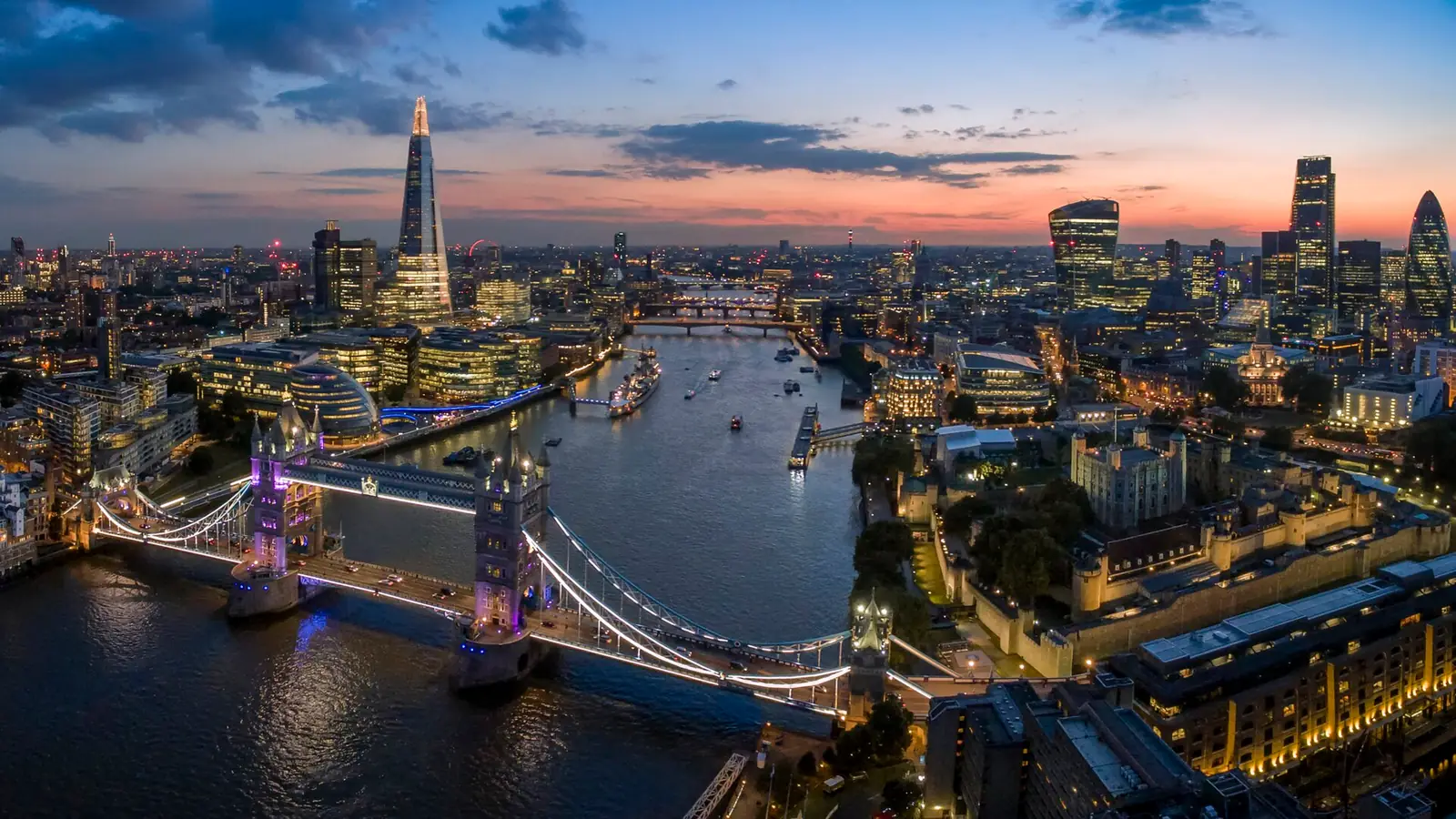
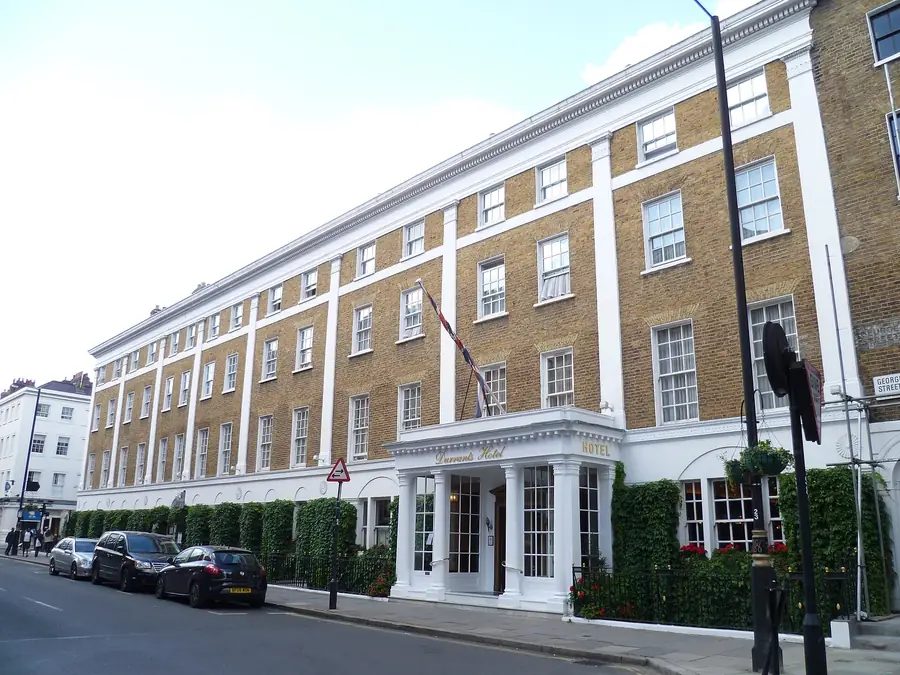
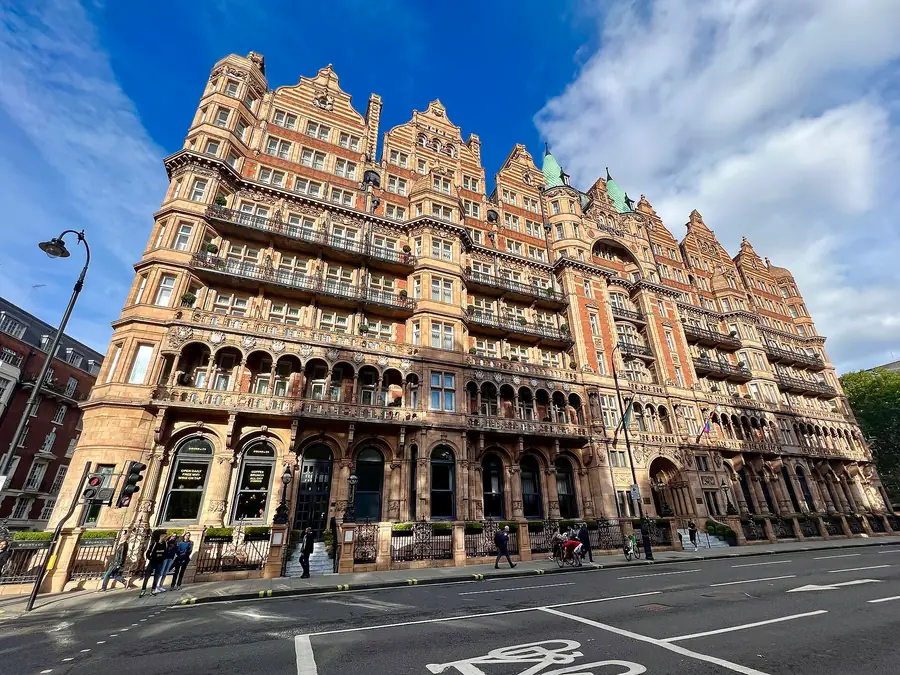
Photo: Ilya Grigorik · CC BY-SA 3.0 · cropped
Find your version of the city
Choose the London you want to come home to each night. London’s most famous hotels cluster in a handful of West End districts, and the district shapes the stay as much as the hotel does. Mayfair and St James’s put you among galleries, tailors and the Royal Parks; Covent Garden and the Strand keep you close to theatres and the river; Belgravia is quieter, residential and composed.
A little neighbourhood intelligence
Which London Start with the experience. We’ll help you understand the trade-offs.
Stay here if you want… Everything Historic Fashionable Shopping Parks & greenery Museums & culture Nightlife Riverside
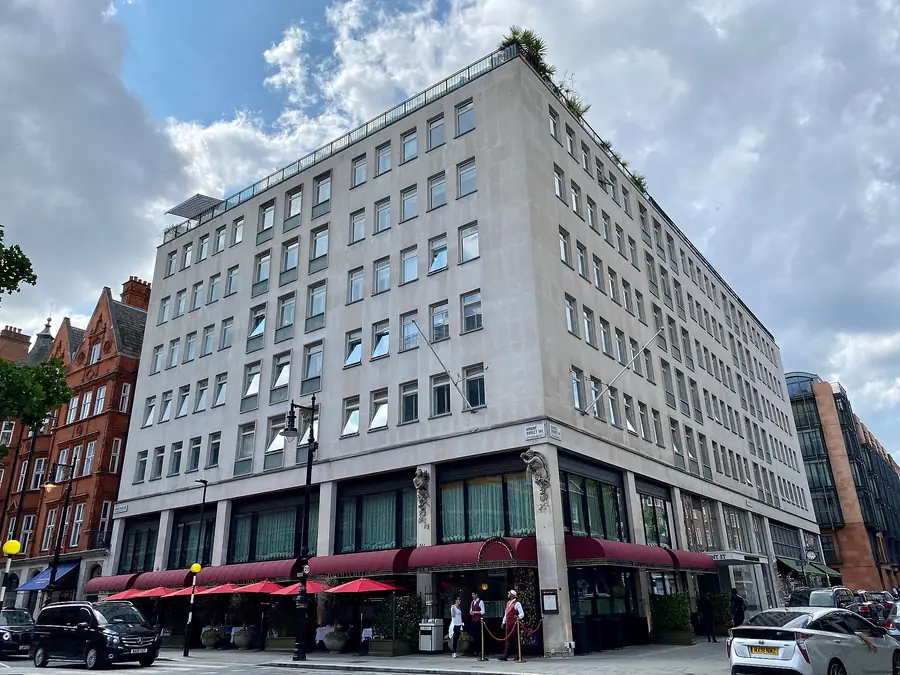
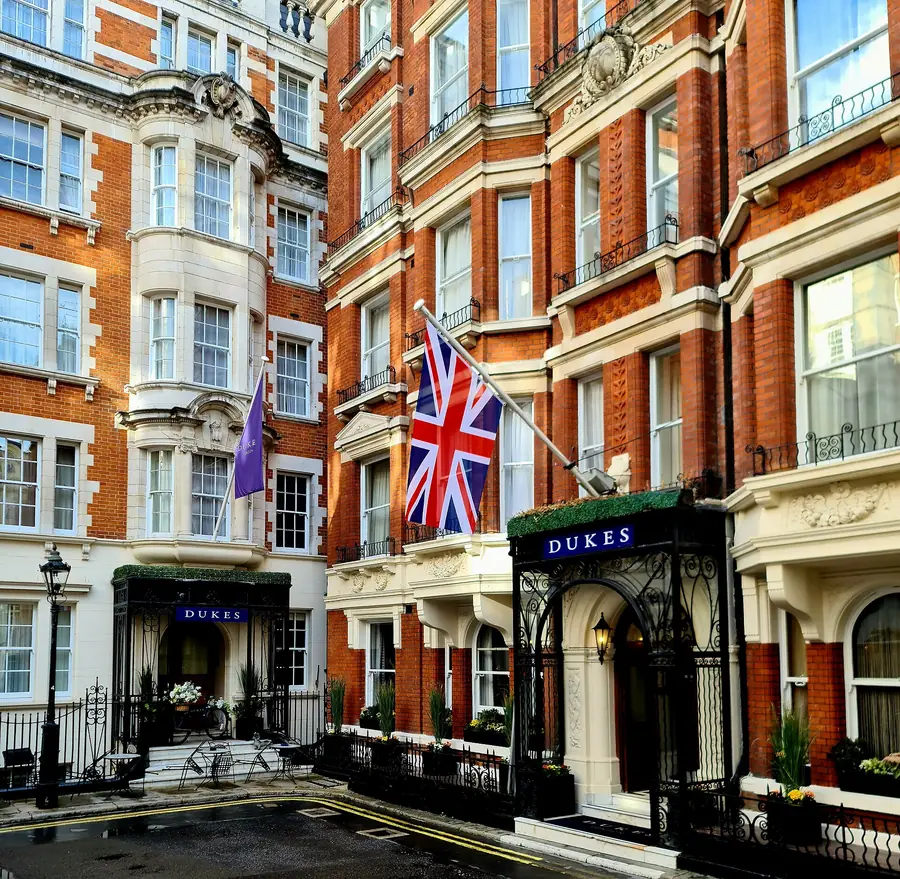
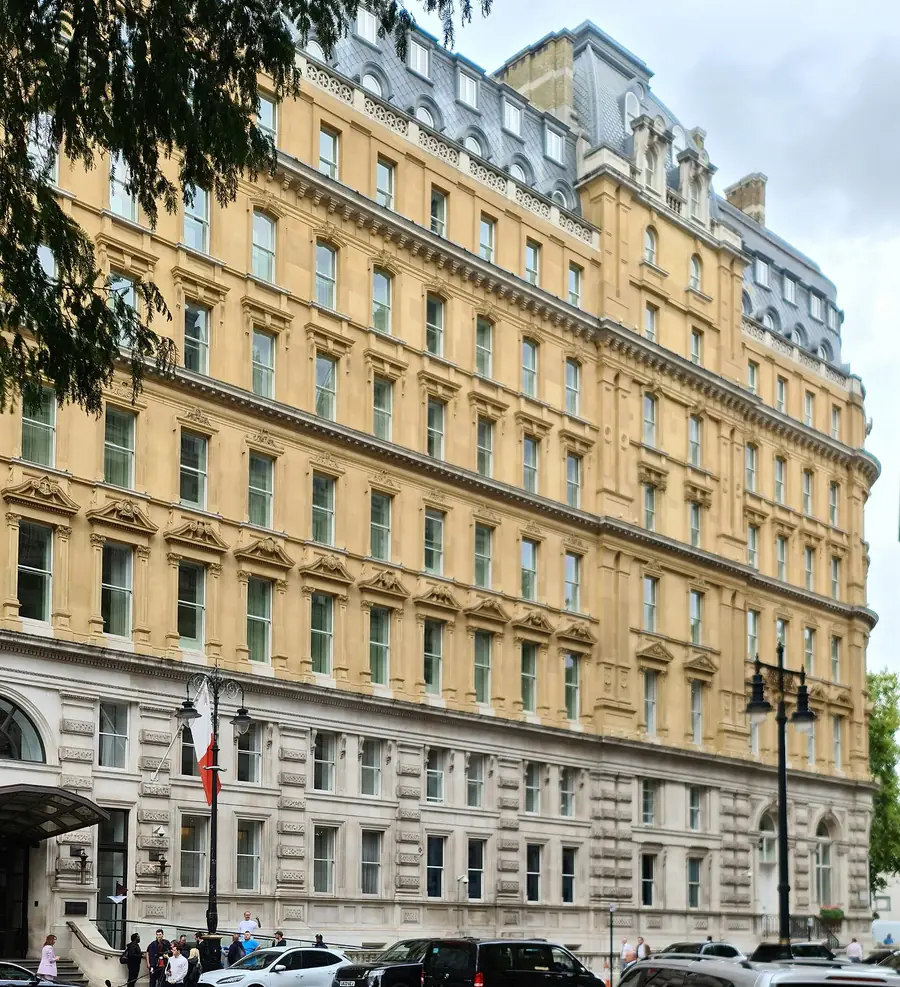
Map of London Mayfair & St James’s Covent Garden & the Strand Belgravia Marylebone King’s Cross 41 Brown’s Hotel Claridge’s COMO The Halkin Corinthia London Covent Garden Hotel Dukes London Durrants Hotel Café Royal Kimpton Fitzroy London One Aldwych Raffles London at The OWO Rosewood London St. Pancras London The Beaumont The Berkeley The Connaught The Dorchester The Goring The Lanesborough The Landmark London The Langham, London The Peninsula London The Ritz London The Savoy The Waldorf Hilton Neighbourhood outlines are approximate and drawn for orientation. Map data © OpenStreetMap contributors (ODbL). Georgian streets, private galleries and the grandest concentration of hotels in London.
Choose it for A first or special-occasion London stay built around galleries, parks, shopping and long dinners, with the West End walkable.
Worth considering Covent Garden suits theatre-goers better, and Marylebone offers a more neighbourly pace. Mayfair is at its liveliest by day; it can feel formal and quiet at night.
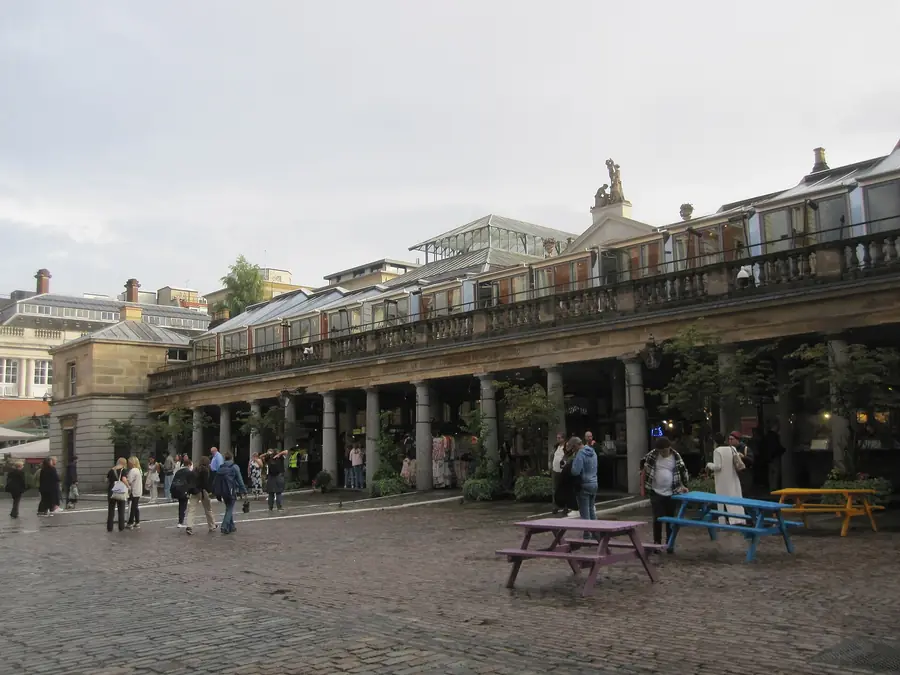
↗ Theatreland, the old market piazza and the river, all within a few minutes’ walk.
Choose it for Theatre, opera and a city break where you want to walk everywhere and eat late.
Worth considering The piazza is crowded from morning to night. If calm matters, choose a room away from the busiest streets, or look at Mayfair or Belgravia.
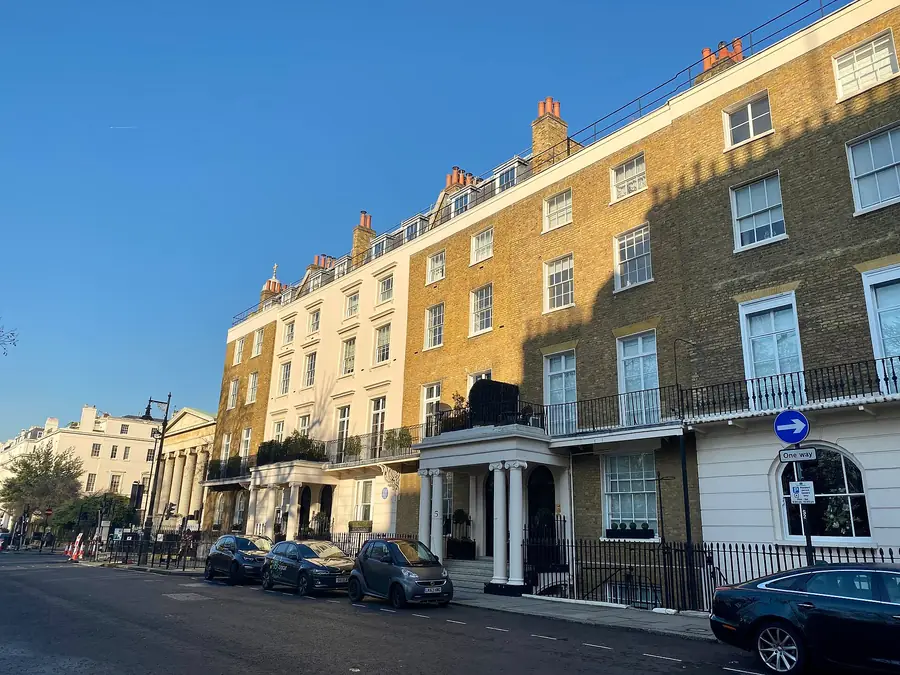
↗ White stucco squares, embassies and a hushed, residential kind of luxury.
Choose it for Travellers who want quiet evenings, elegant walks and easy access to Knightsbridge, Chelsea and Hyde Park.
Worth considering There is little nightlife and fewer casual restaurants than in the West End; choose Covent Garden or Soho if you want the city on your doorstep.
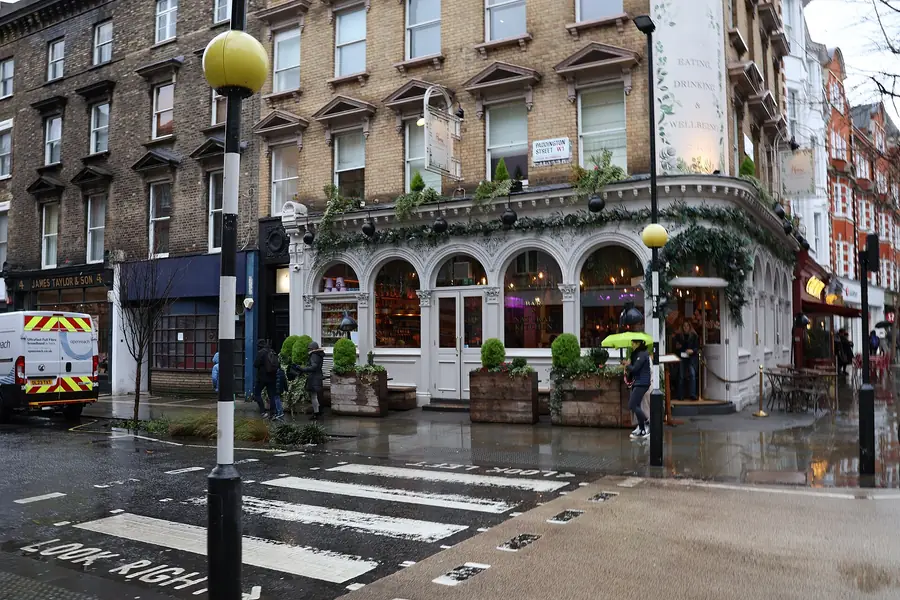
↗ A village-scaled grid of independent shops, squares and Regent’s Park at the top.
Choose it for Repeat visitors, food-led trips and anyone who prefers a neighbourhood with local life to a grand hotel quarter.
Worth considering Theatres and the river are a Tube or taxi ride away; Covent Garden is the better base if evenings in the West End are the priority.
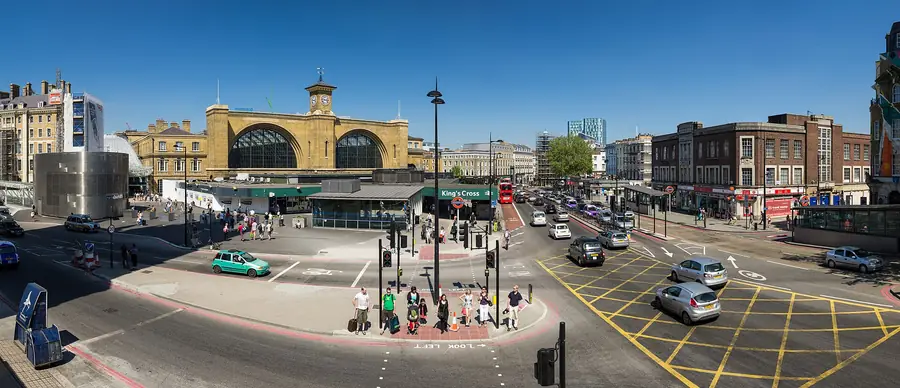
↗ Victorian railway grandeur, a regenerated canalside and the Eurostar to Paris.
Choose it for Travellers arriving or leaving by Eurostar, and anyone who likes a contemporary, canal-side side of London.
Worth considering The streets immediately around the stations are busy and functional. For a classic West End stay, choose Mayfair or Covent Garden.
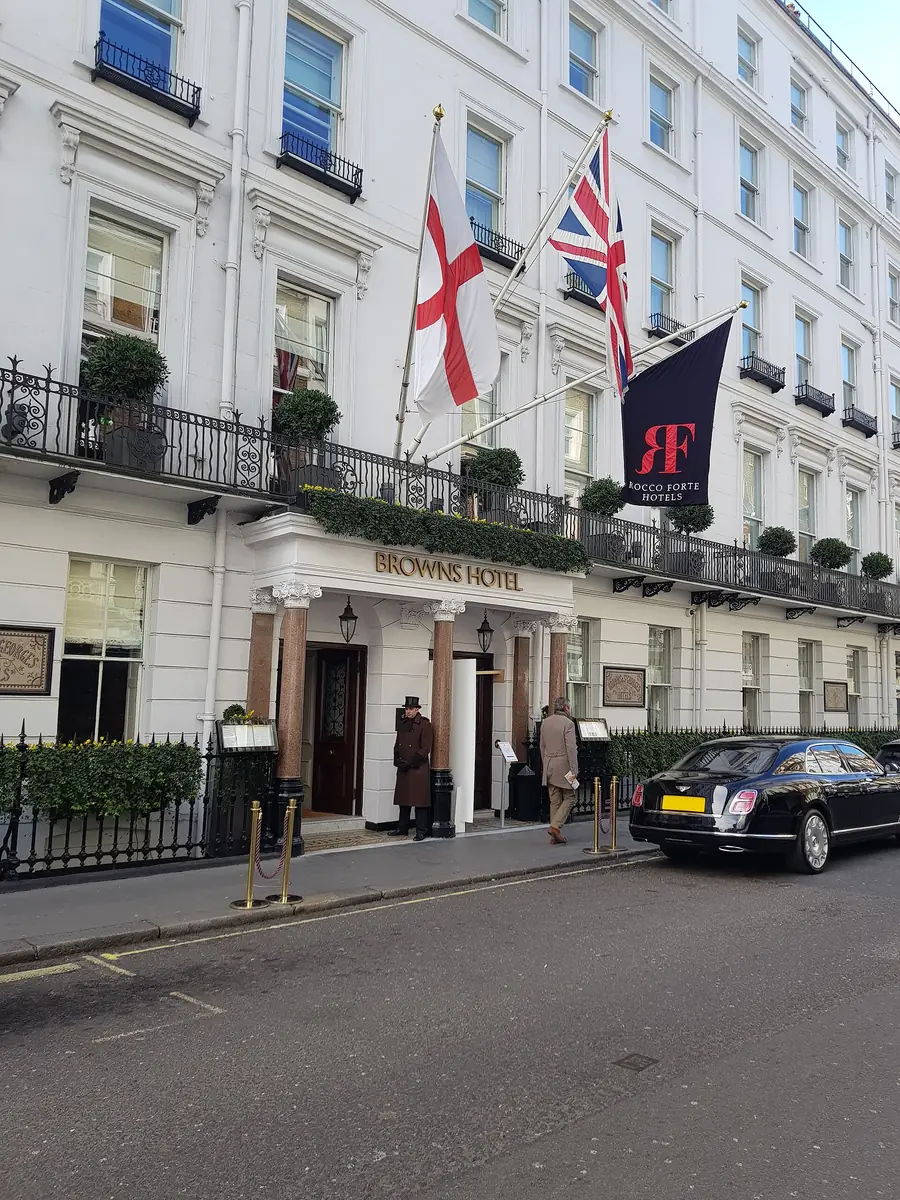
↗ Georgian townhouse hotel
Brown’s Hotel ↗ London’s oldest luxury hotel: thirteen connected Georgian townhouses loved by writers.
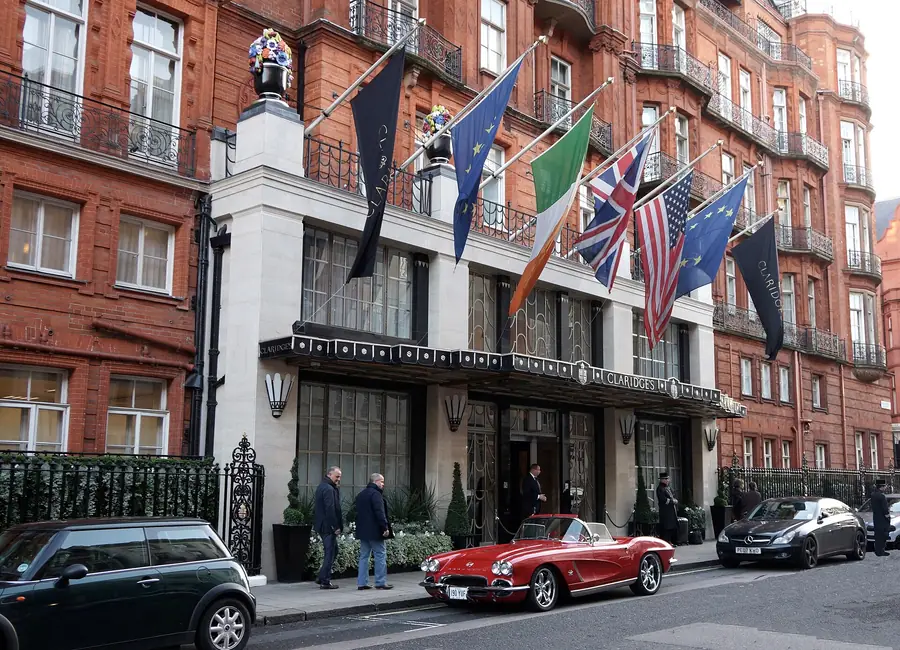
Photography & licence Art Deco grand hotel
Claridge’s ↗ Mayfair’s great Art Deco hotel, with a history that runs from Victorian royalty to a modern rooftop extension.
Photography & licence Edwardian courtyard hotel
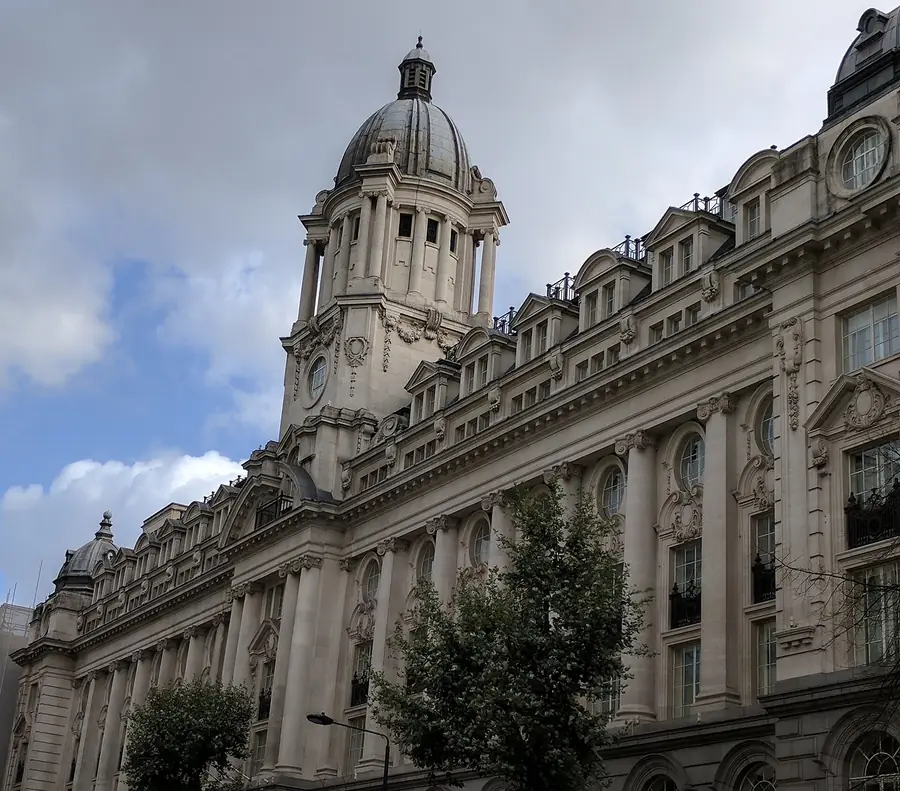
Rosewood London ↗ A former insurance headquarters on High Holborn, entered through a grand carriage courtyard.
Photography & licence Victorian Gothic landmark
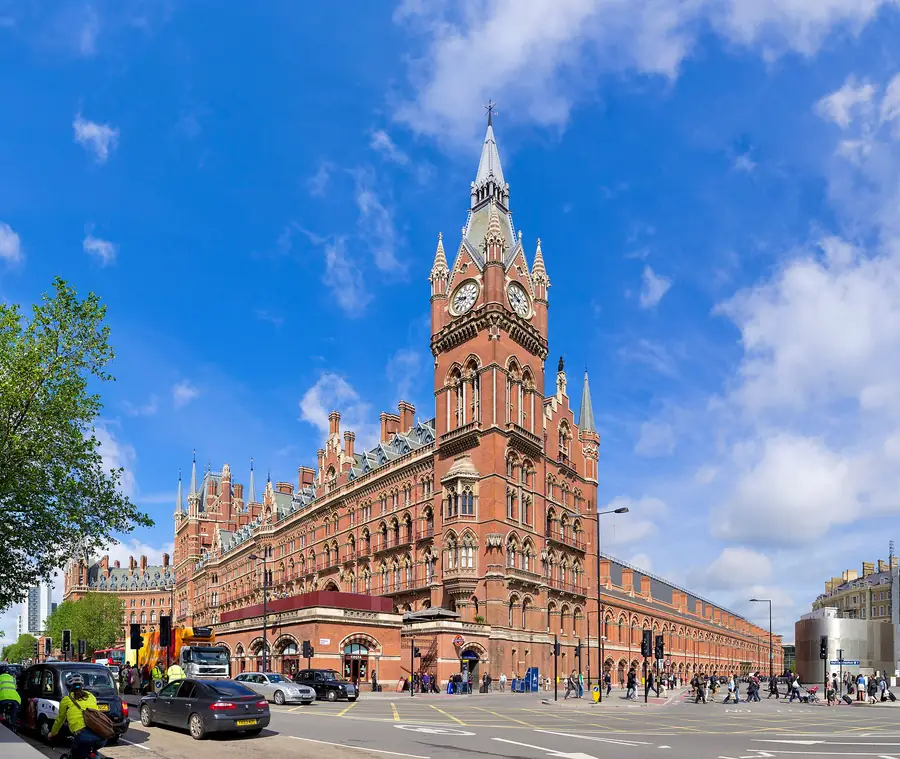
St. Pancras London ↗ George Gilbert Scott’s Gothic Midland Grand Hotel, revived above the Eurostar terminal.
Photography & licence Mayfair grand hotel
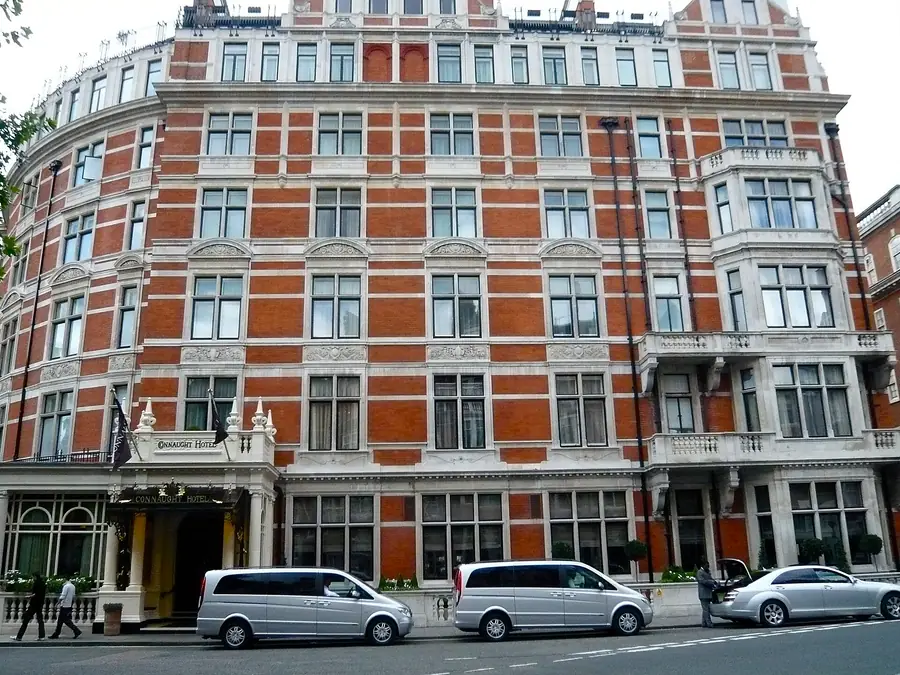
The Connaught ↗ A discreet Mayfair house on Carlos Place, known as much for its bar as its rooms.
Photography & licence 1930s Park Lane landmark
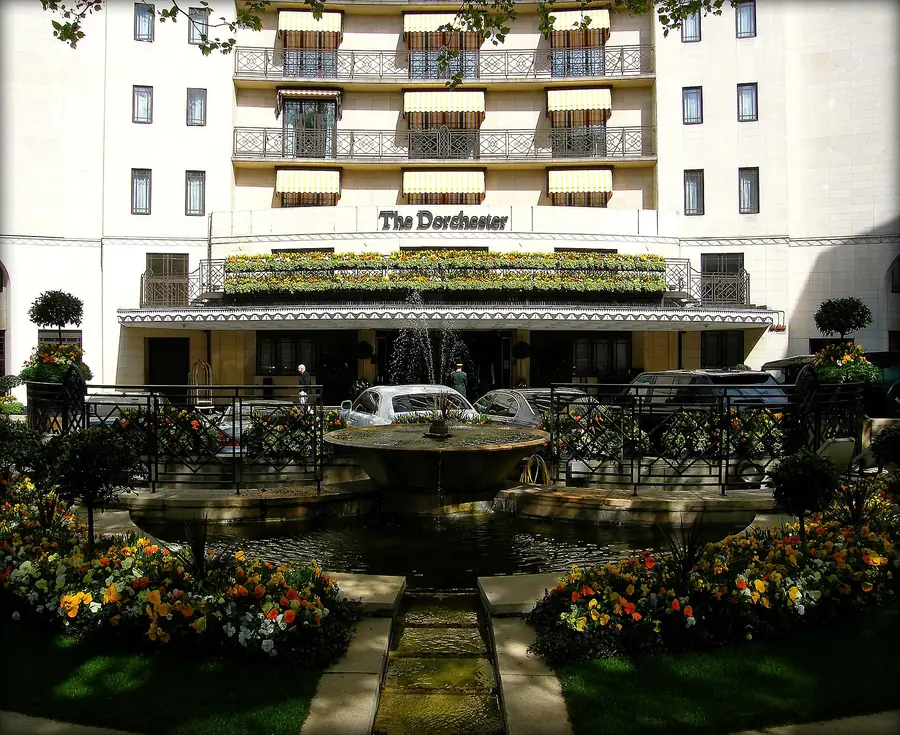
The Dorchester ↗ A 1931 Park Lane hotel facing Hyde Park, built strong enough to shelter wartime London.
Photography & licence Family-run grand hotel
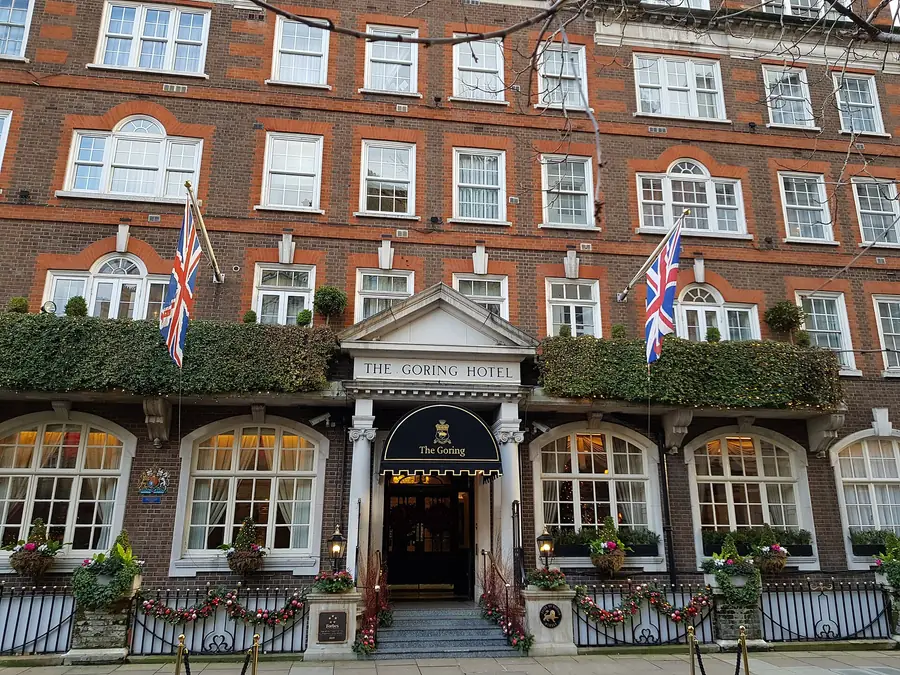
The Goring ↗ The last London grand hotel still run by the family that built it, with a garden behind Buckingham Palace.
Photography & licence Regency-style palace hotel
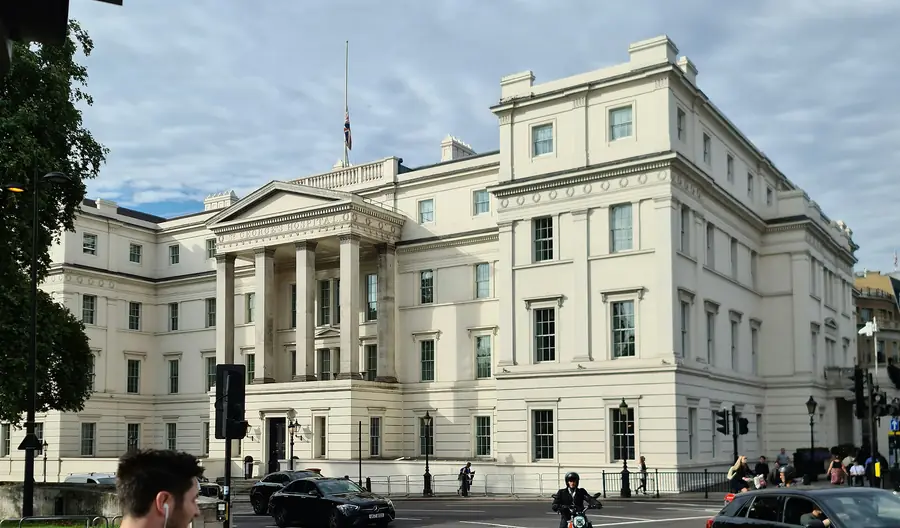
The Lanesborough ↗ A Hyde Park Corner hospital building of the 1820s, reborn as an opulent Regency-style hotel.
Photography & licence Victorian grand hotel
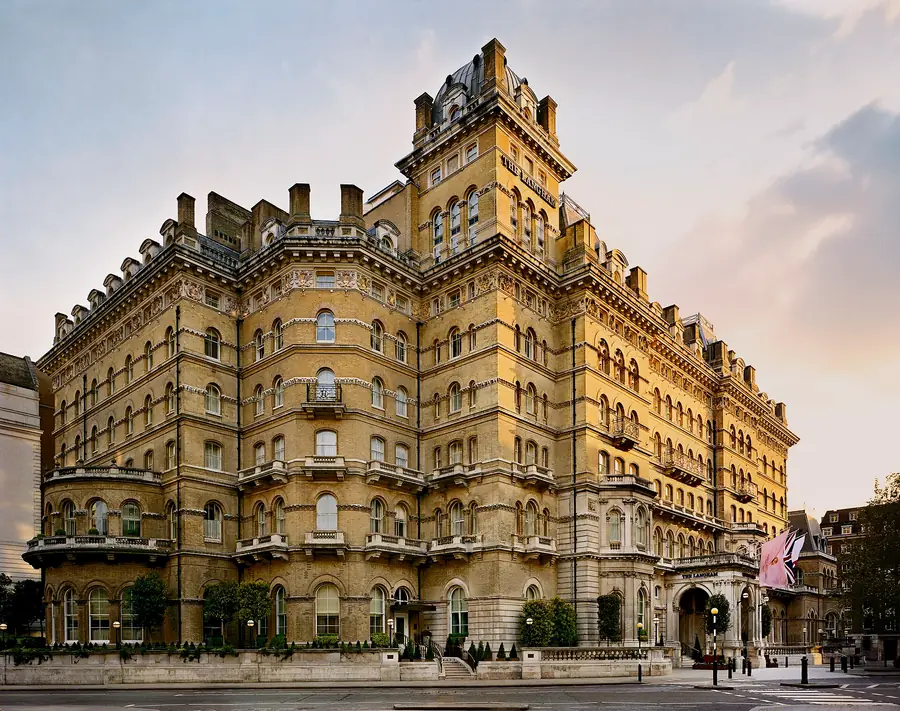
The Langham, London ↗ London’s great Victorian hotel of 1865, facing up Portland Place towards Regent’s Park.
Photography & licence Louis XVI palace hotel
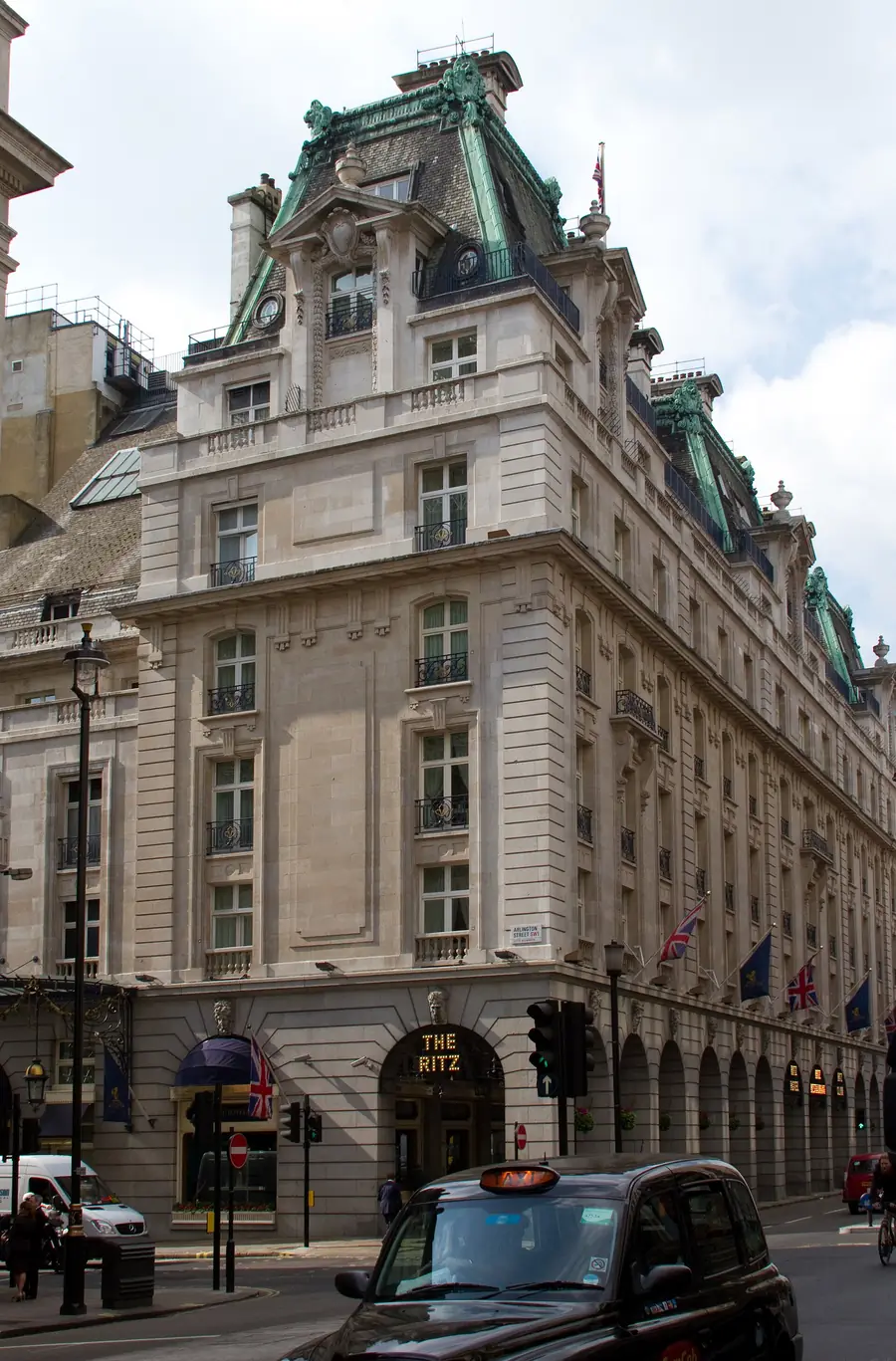
The Ritz London ↗ César Ritz’s 1906 Piccadilly palace, where the Palm Court turned afternoon tea into ceremony.
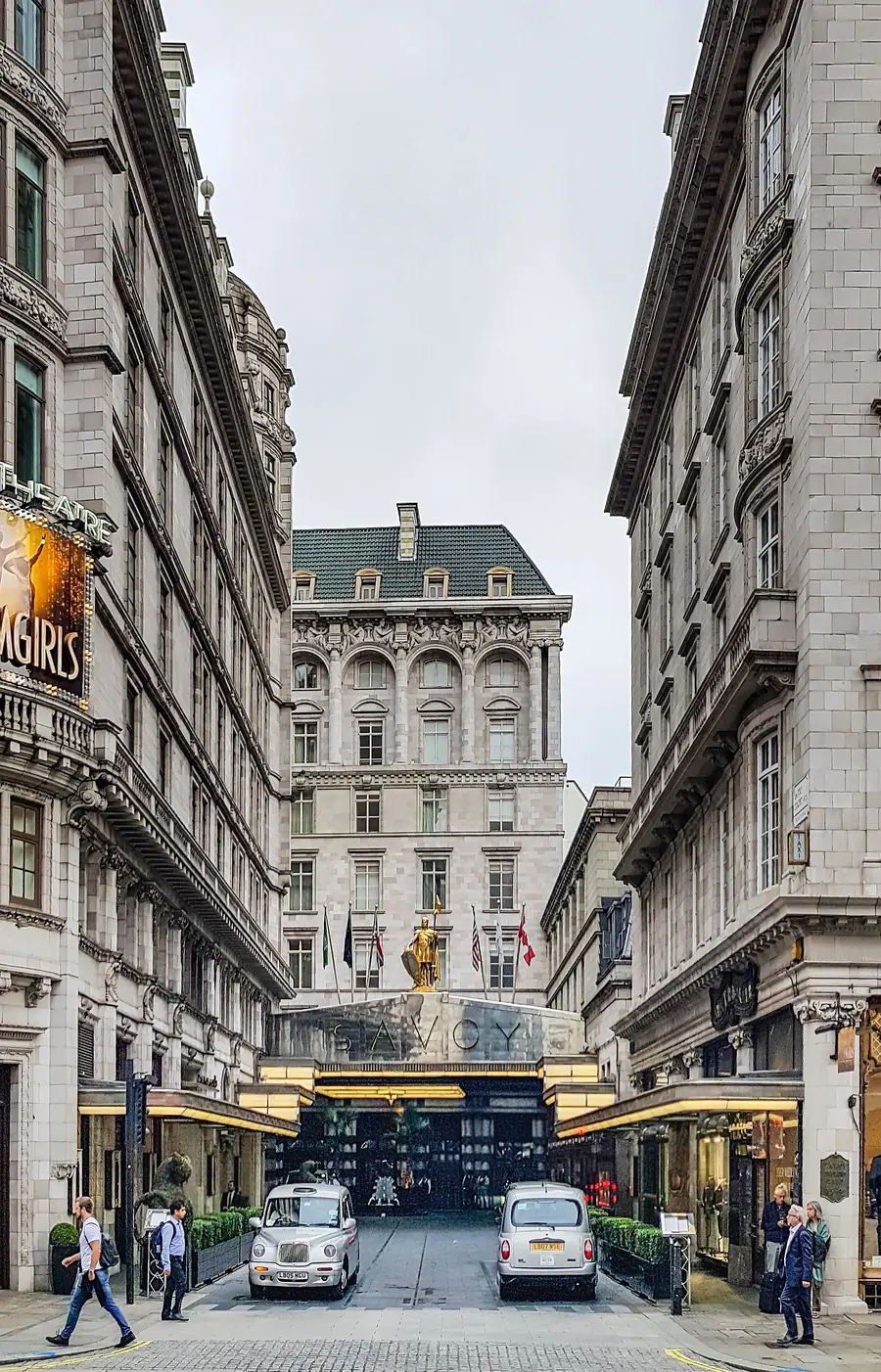
Photography & licence The 1889 Strand hotel by the Thames
The Savoy ↗ The 1889 Strand hotel that brought electric light, Ritz and Escoffier to London.
Photography & licence Make the place Further out, Marylebone and King’s Cross show how different the same city can feel: one a village-scaled grid of shops and squares, the other a rail gateway transformed by regeneration. Start with the pace you want, then choose the house.
A little orientation
Find your bearings. This map centres on London. Walking times are estimates, not routes.
Explore the full map
Where next? The Iconic Hotel Index ↗ Explore all destinations ↗ Researched feature · Checked 2026-09-30 · Book&Stay
Sources & editorial notes Our recommendations are editorial judgements informed by the sources below, not a claim of a firsthand stay. Confirm changing details with the property.
Map data © OpenStreetMap contributors (ODbL).
How we choose places