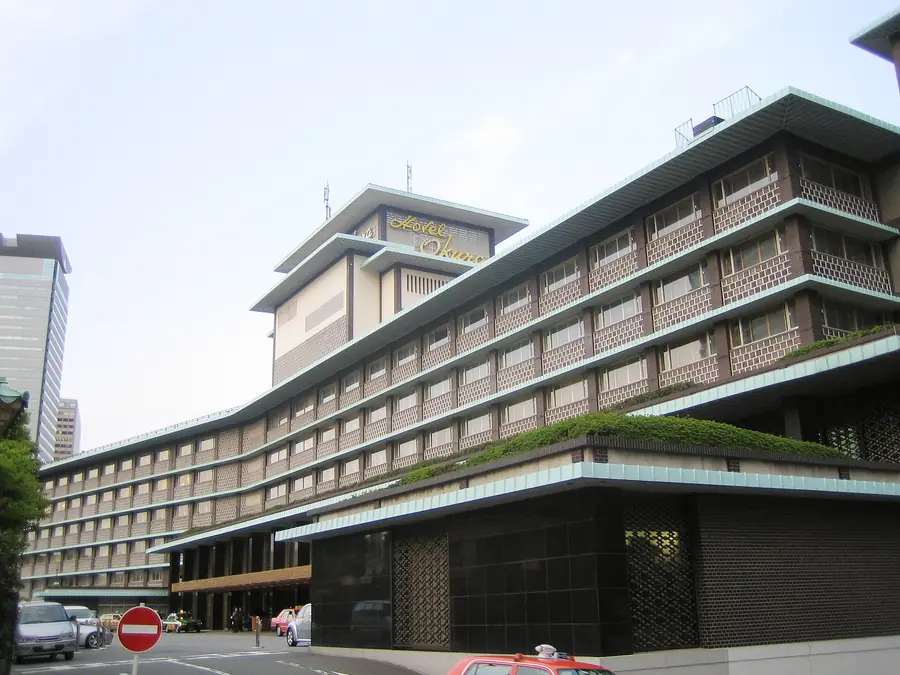
Tokyo’s hotel history begins with the Imperial in 1890 and the Tokyo Station Hotel inside the restored station in 1915. The Okura and the New Otani came with the 1960s and the 1964 Olympics, and Keio Plaza in Shinjuku was Japan’s first high-rise hotel in 1971.
Since the 1990s the city’s luxury hotels have moved upward: Park Hyatt atop a Shinjuku tower, then Mandarin Oriental, Aman and Andaz on the top floors of new skyscrapers. Our list covers both, and each hotel has a guide to its building, its area and what to know before booking.
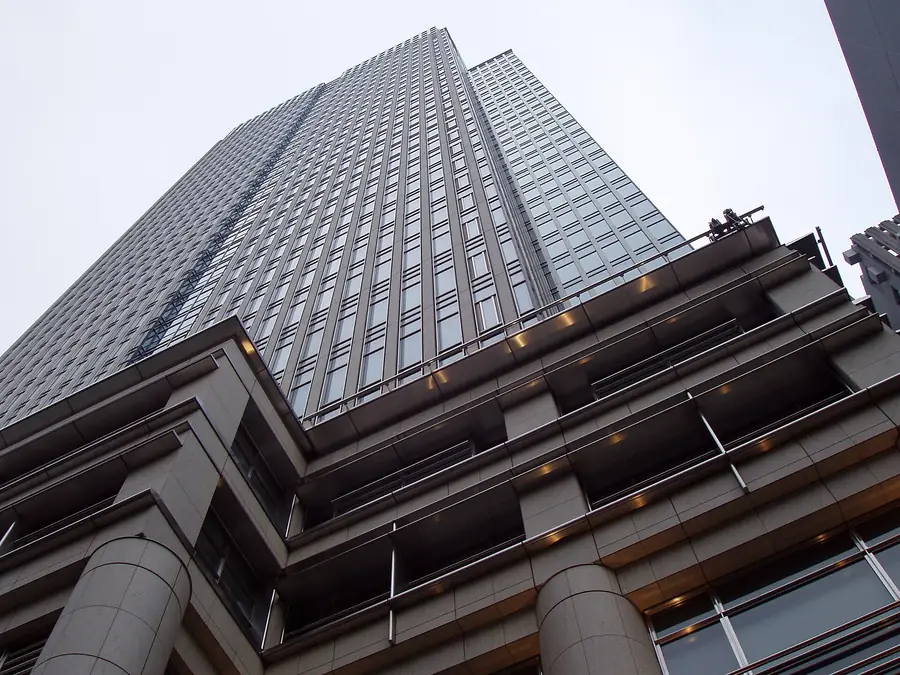
A 164-room hotel on the top floors of Toranomon Hills Mori Tower, with a rooftop bar on the 52nd floor.
Best for: Travellers who want height and views, a hotel without a front desk, and a Toranomon base within walking distance of Kasumigaseki and Shimbashi stations.
Before you book: This is a tower-top hotel in a business district. If you prefer a hotel with a long Japanese history, The Okura Tokyo is nearby.
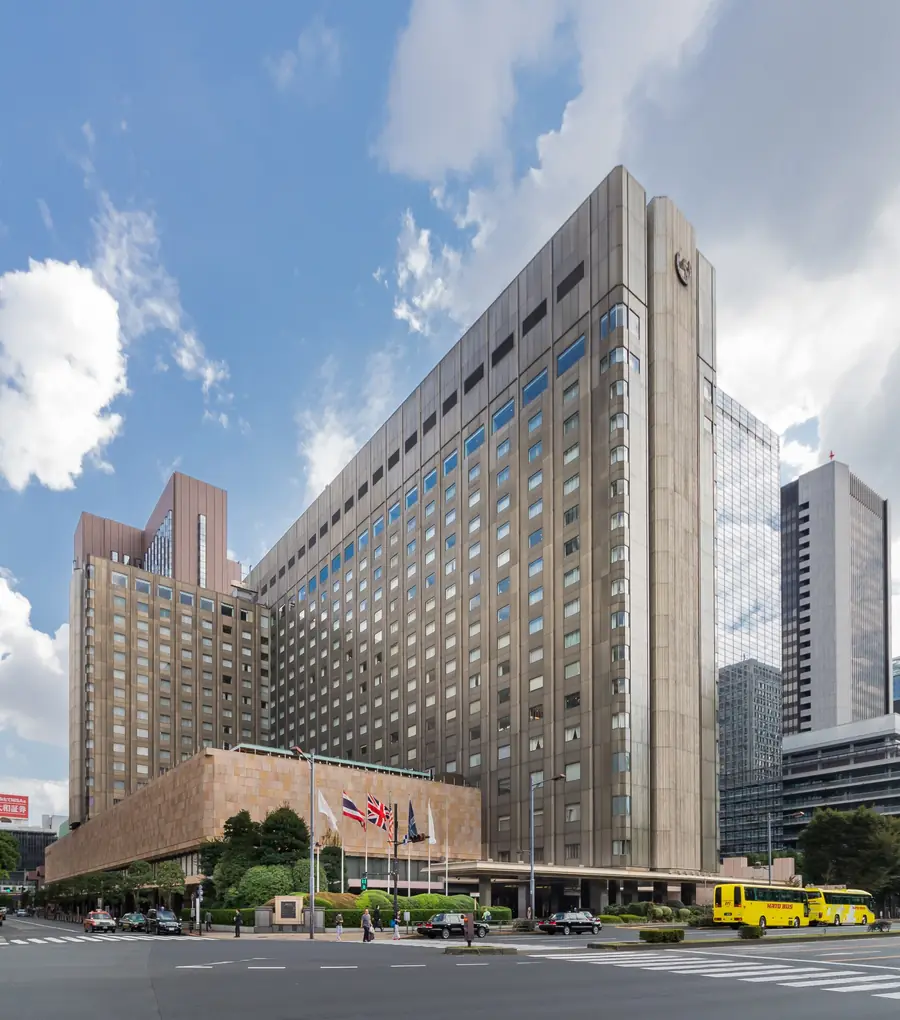
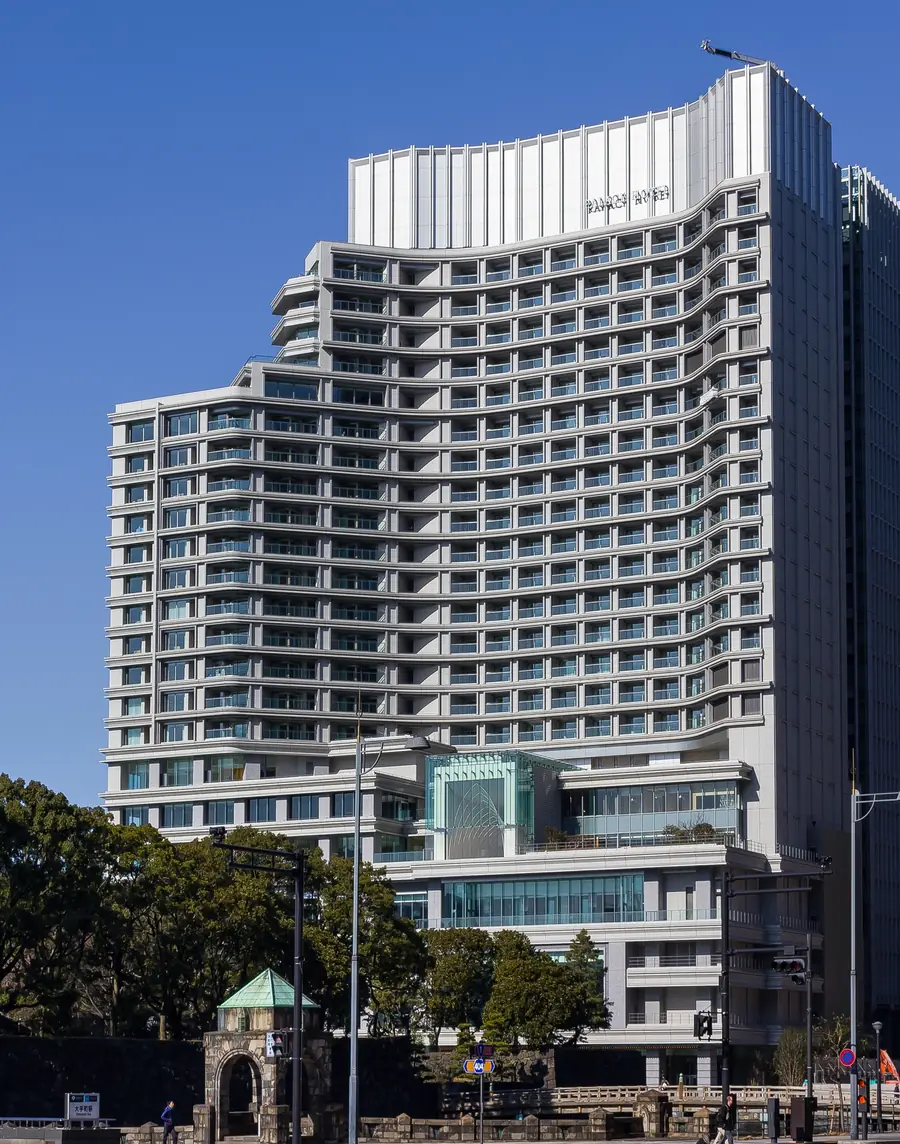
An independent Tokyo grand hotel across from the Imperial Palace’s Ōtemon Gate, rebuilt in 2012 on a site in hotel use since 1947.
Best for: Travellers who want a large, polished hotel across from the Imperial Palace’s Ōtemon Gate, with a pool and spa.
Before you book: It is a modern building, not a historic one. If you want to sleep inside an older landmark nearby, The Tokyo Station Hotel is the alternative.
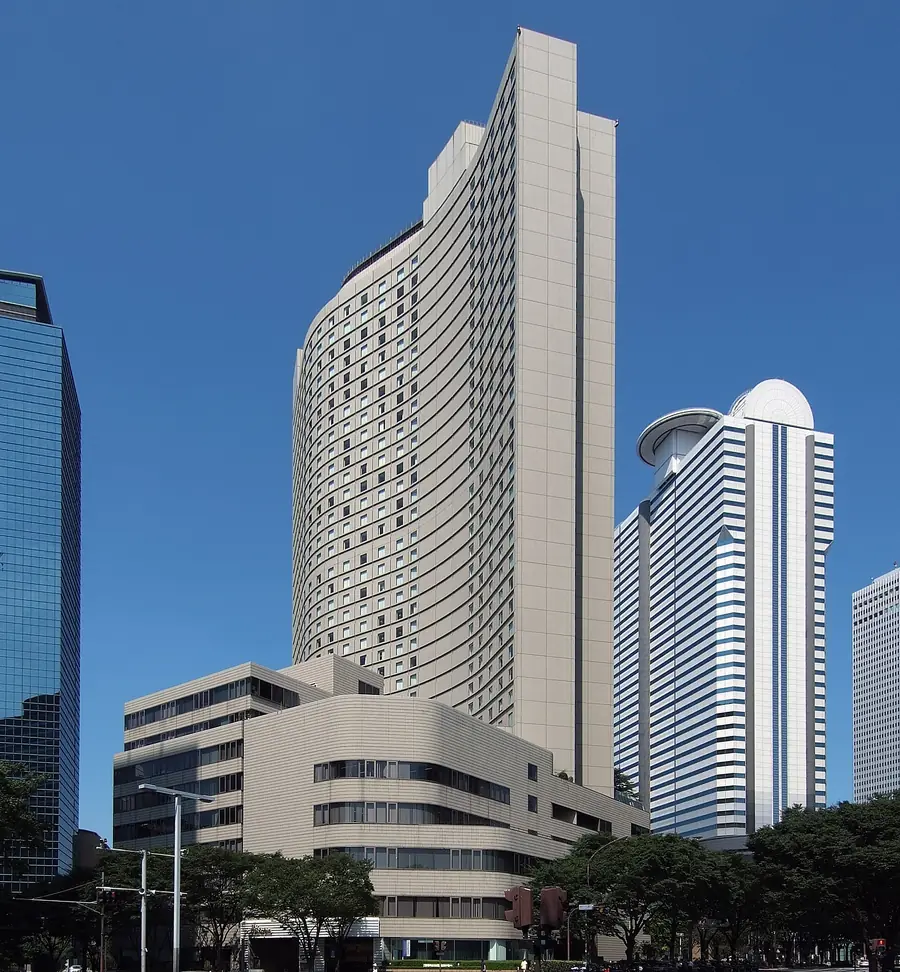
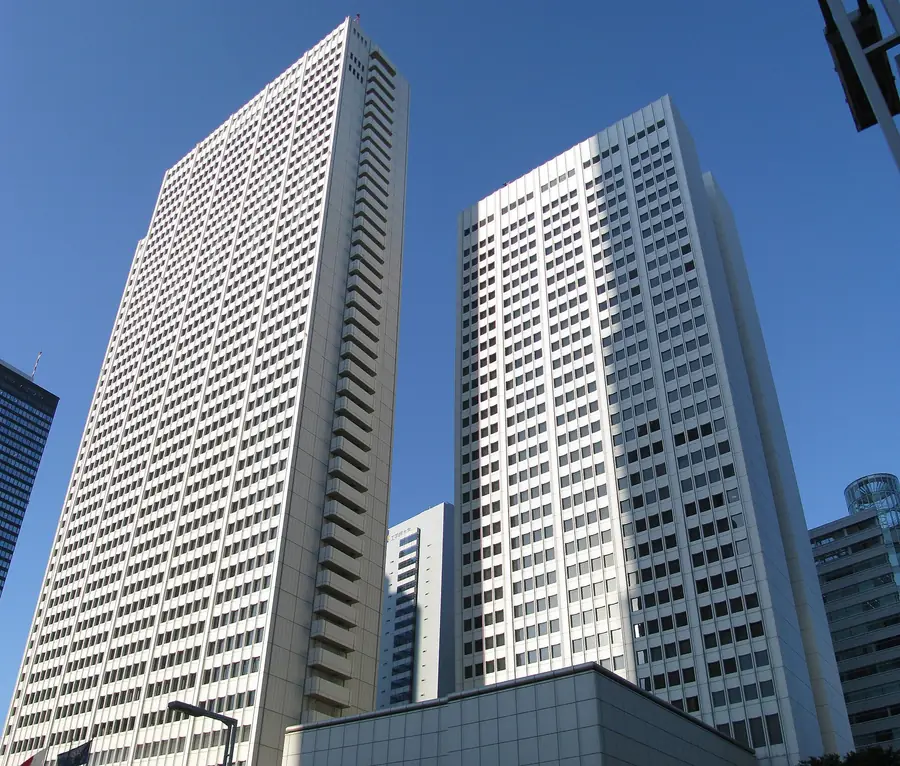
The first skyscraper in Nishi-Shinjuku and Japan’s first high-rise hotel, opened in 1971 and partly destroyed by Godzilla on screen.
Best for: Travellers who want to be in Nishi-Shinjuku’s tower district, in the hotel that started the skyline around it.
Before you book: It is a very large hotel with conventions and events. For a smaller, quieter Shinjuku stay high above the city, Park Hyatt Tokyo is the alternative.
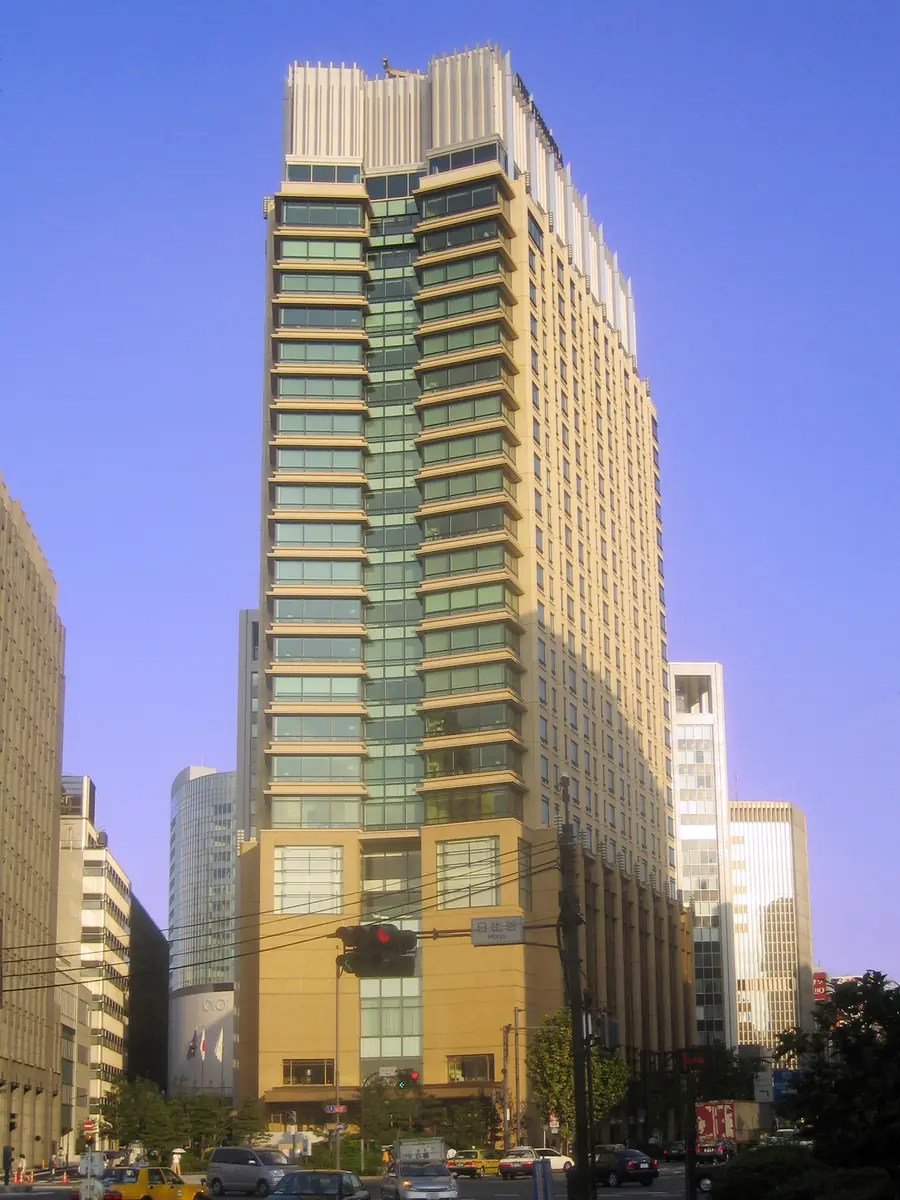
Japan’s only Peninsula, a 24-storey tower in Yurakucho opened in 2007.
Best for: Travellers who want a modern grand hotel in Yurakucho, in a building of its own with a street entrance.
Before you book: It is a modern tower. If a sense of history matters, the Imperial Hotel or The Tokyo Station Hotel in the same neighbourhood is the better choice.
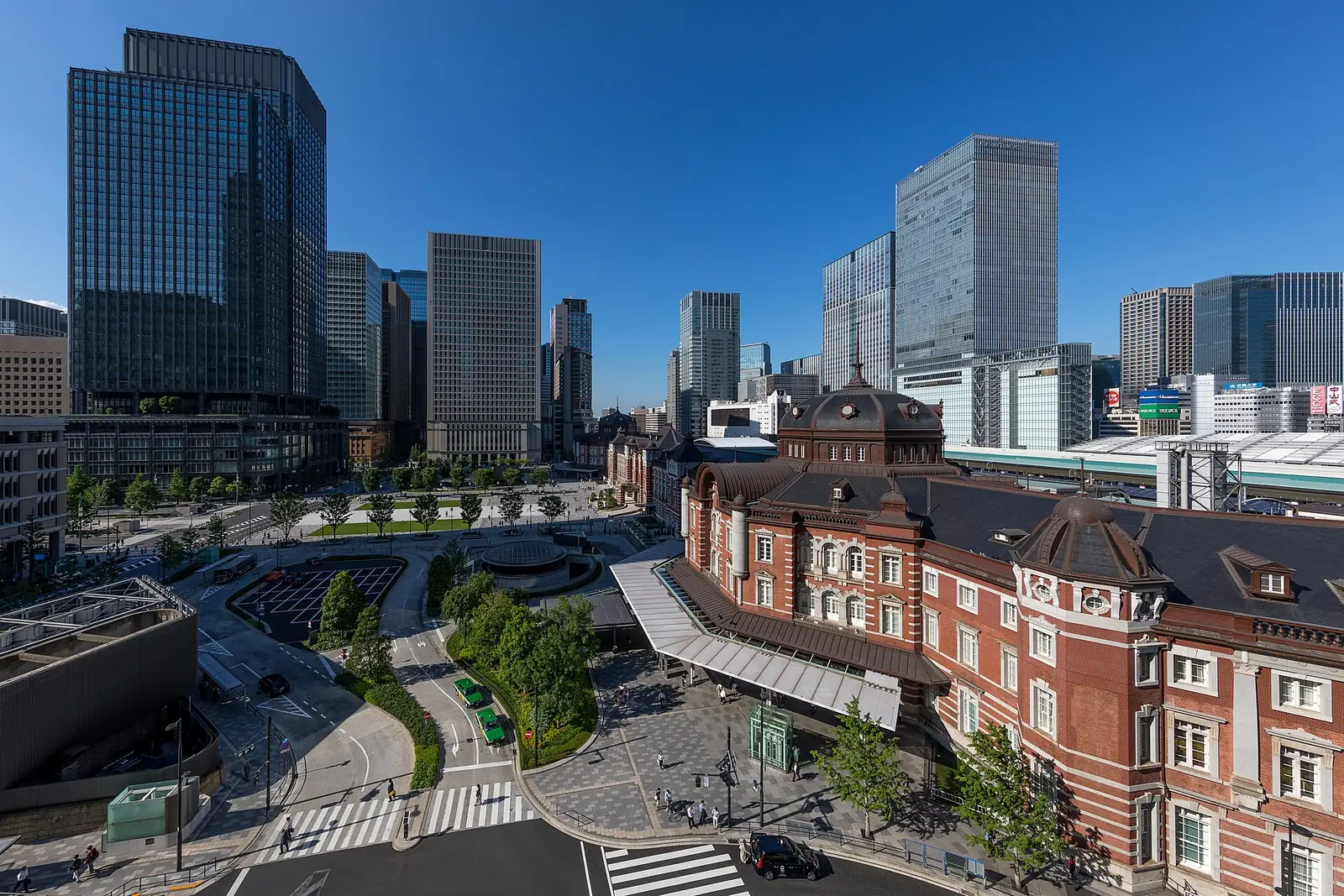
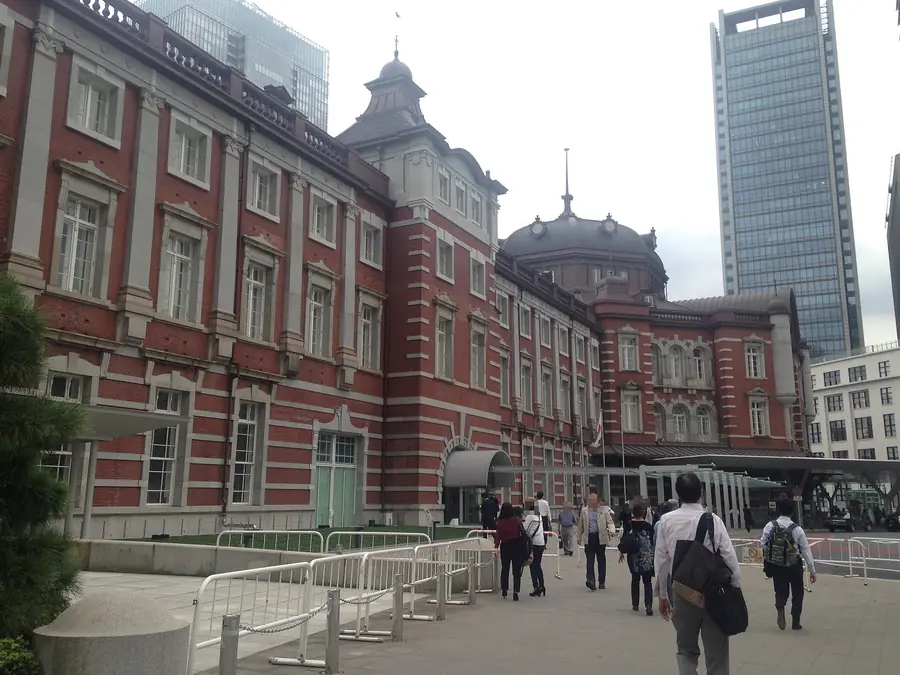
A hotel inside Tokyo Station’s red-brick Marunouchi building, open since 1915 and restored to its original form in 2012.
Best for: Travellers arriving or leaving by Shinkansen who want to sleep inside a landmark station building.
Before you book: You are staying inside a working main-line terminus. For an address facing the Imperial Palace, Palace Hotel Tokyo is the alternative nearby.
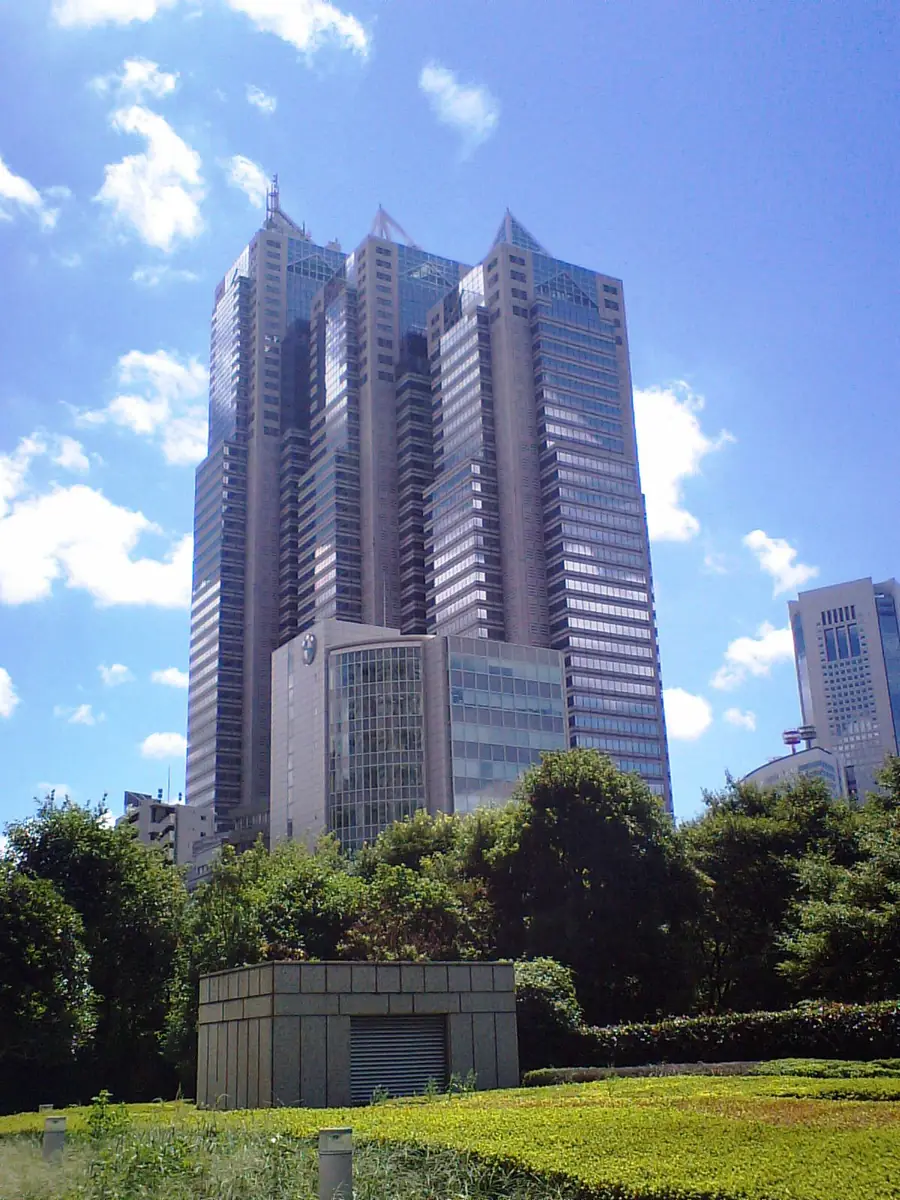
Park Hyatt Tokyo tops our ranking: The hotel at the top of Kenzo Tange’s Shinjuku Park Tower, setting of Lost in Translation.
Which is the oldest hotel on this list?
Imperial Hotel, Tokyo, which opened in 1890. The newest is Andaz Tokyo (2014).
Which hotels in Tokyo are on international award lists?
Aman Tokyo (No. 11, The World’s 50 Best Hotels 2026); Bvlgari Hotel Tokyo (No. 24, The World’s 50 Best Hotels 2026).
Which part of Tokyo has the most hotels on this list?
Marunouchi & Hibiya, with 7 of the 13. See our guide to Tokyo’s neighbourhoods to choose an area.
How did you choose and order these hotels?
Every hotel here has a full Book&Stay guide built from cited sources. We order them by the depth of verified research, iconic status and international awards. Hotels cannot pay to be listed, and booking links do not affect the order.
Some travel links on Book&Stay are affiliate links from Travelpayouts, which use cookies to credit a booking to us. Our own analytics stay cookie-free. Privacy details